You are using an out of date browser. It may not display this or other websites correctly.
You should upgrade or use an alternative browser.
You should upgrade or use an alternative browser.
Shine on You Crazy Diamond. Official Pink Floyd Thread.
- Thread starter Crazy Gnome
- Start date


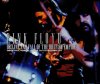
Pink Floyd
Live at Empire Pool, Wembley 17th November 1974
Disc 1
1. Raving And Drooling
2. You Gotta Be Crazy
3. Shine On You Crazy Diamond
Disc 2
Dark Side Of The Moon
1. Speak To Me
2. Breathe
3. On The Run
4. Time
5. Breathe (Reprise)
6. The Great Gig In The Sky
7. Money
8. Us And Them
9. Any Colour You Like
10. Brain Damage
11. Eclipse
Disc 3
1. Audience
2. Echoes

Wow. That would've been a good one.Pink Floyd
Live at Empire Pool, Wembley 17th November 1974
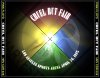
Pink Floyd
Sports Arena
Los Angeles, California
1975-04-26
This is the complete audience master tape source.
Title - "Echoes From The Past (Platinum Edition)"
Disc One:
1. Intro
2. Raving and Drooling
3. You've Gotta Be Crazy
4. Shine On You Crazy Diamond (1-5)
5. Have a Cigar
6. Shine on You Crazy Diamond (6-9)
7. "Sit down and enjoy the show..."
Disc Two:
1. Speak to Me
2. Breath
3. On the Run
4. Time
5. The Great Gig in the Sky
6. Money
7. Us and Them
8. Any Colour You Like
9. Brain Damage
10. Eclipse
Encore:
11. Echoes
Honestly, I don't know whether this will be interesting or not for this thread, but cut & pasted below is an analysis paper of "Shine on you Crazy Diamond" my son did for a humanities class. It's not exactly light reading for a forum, but it is on topic in case anybody is interested.
An Analysis of Shine On You Crazy Diamond
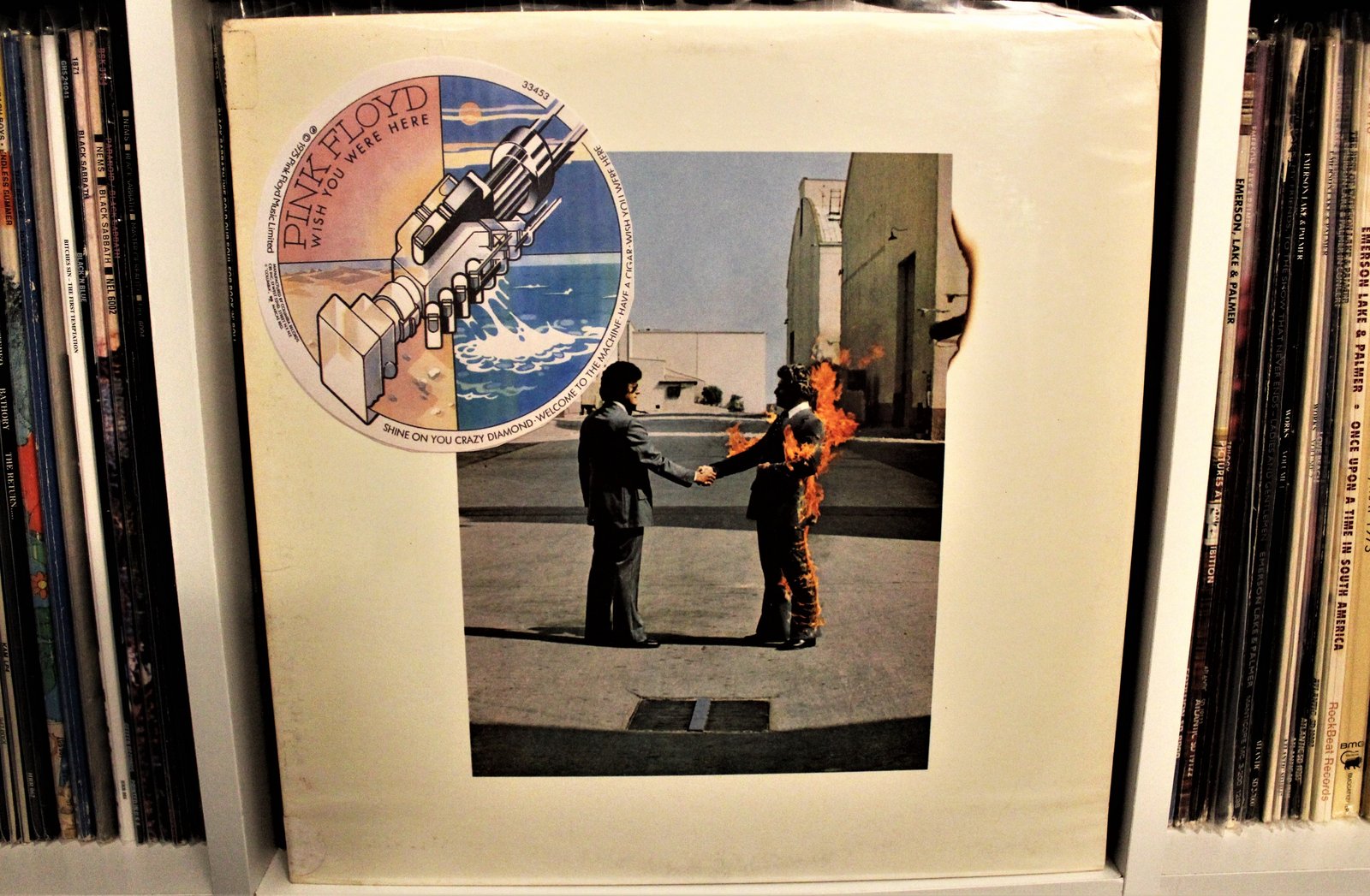
Shine On You Crazy Diamond is a multi-part song written by the band Pink Floyd and released in 1975. The song is split up into nine parts and occupies two songs on the album “Wish You Were Here.” The song was about Syd Barrett, one of the founders of Pink Floyd. Barrett’s mental health was declining in 1968, and the other bandmates reluctantly removed him from the band due to this. The song itself is extremely interesting to listen to time and time again for its wonderful lyrics admiring Barrett’s creativity and unfortunate descent into madness, but also from a production standpoint.
The song begins with an organ combined with a synth to create a G minor chord to open the song. The organ and synth fade in to create this dream-like atmosphere that will carry on for the rest of the song. Additional sounds made from wine glasses can be heard in the background as well. A synth can also be heard in the foreground of the music too, playing several notes in the key of G minor in order to help create the general vibe of the song. Eventually this G minor sustain fades into a guitar solo, played by David Gilmour.
A lot of the instruments in this section are all panned to the center. The synth sounds seem to have a bit of reverb on them, but not much. The wine glasses seem to be mostly on the right-hand side of the soundscape, while the guitar seems to be more panned to the left. It also seems like a lot of the higher end frequencies of the wine glasses also seem to be tapered off, as there is not a lot of the “chime” that would normally be heard. Later in the song, the song goes to C minor, and then D minor, continuing in the same manner. Eventually, the organ and the guitar fade out, and Part II of the song begins.
Part II begins with the main riff of the song played by the guitar, and the organ has almost completely faded out. A huge amount of reverb and a central panning placement allows the guitar to be the sole focus of the song. It also sounds a lot “bigger” than it was in Part I, which may note that the guitar track might have been doubled. According to Roger Waters, this four note phrase was inspired by the ghost of Syd Barrett. The wine glasses are back in the background after fading out, and they have a more tonal aspect to them than just being percussive noises. It acts as a countermelody to the guitar riff, and it seems like the EQ has been used to help make it sound more in the foreground. The glasses have much more “chime” to them than in Part I, and this helps build the intensity further before the drums kick in.
The increasing frequency of the guitar riff also helps to foreshadow the building intensity. The drums eventually make their appearance with one hit from the kick and floor tom, and then it gradually fades and builds the intro up to a crash cymbal hit, kicking off them main part of the song. The drums seem to sound fairly muted, and very central in panning. They do not have any real “boominess” that more live drums would have. This contrast in reverb between the guitar and the drums creates a very organized soundscape, where the drums are primarily in the background and the guitar is in the foreground thanks to the reverb. Once the drums come in, the entire song is in 6/8 time, and the main groove of the song begins. During the guitar riffs after the drums come in, a synth comes in to double the guitar line and move the guitar even further to the foreground of the soundscape. A guitar solo begins afterwards, with the main guitar riff in the background creating another layer of music to listen to.
Part III begins after the guitar solo, and it begins with a synth solo. The main guitar riff is gone, and the drums become a lot more sparse. This allows for the song to simmer and allows for some headroom for the verse to eventually come in and bring up the intensity level. No major amounts of reverb are present throughout the first half of Part III, and eventually it leads into another guitar solo. The song still stays in G minor for a while, before eventually transitioning to C minor. It then goes through Eb major to D major, before going back into G minor again.
This is the main chord progression used throughout the song, and this helps create a road map for the rest of the song to follow. Once the next guitar solo comes in, the volume level and overall intensity comes back up again. The guitar EQ seems to accentuate the high, punchy, edgy notes and frequencies of the guitar, which allows the guitar to once again be the focus of the song. The synths and organ drop back to playing sustained chords, while the subdued drums keep on with a similar beat. This theme persists until Part IV of the song, after ending on a D minor 7 flat 5 chord to take the song into the verse.
Everything quiets down for the first two lines of the verse “Remember when you were young? You shined like the sun…”, and this creates a new take on the dream-like vibe that this song has. Roger Waters, the lead singer, has a very quiet, intimate voice in this part of the song, and this allows him to convey the idea of Waters talking to Syd Barrett with these two lines. With them, he is appreciating the creativity that Barrett had during his time in the band. There is also a person laughing on one of the tracks panned almost all the way to the left. A massive contrast in terms of volume occurs when the harmonies kick in on the lyrics “Shine on you crazy diamond…”. This lyric also gives great praise to Barrett. Although Barrett was effectively crazy at the end of his career, he was a brilliant band member and contributor, which led to Waters calling him a “diamond” in these lyrics.
Everything then quiets back down again for the next few lyrics “Now there’s a look in your eyes, like black holes in the sky”. This is a crucial part in the lyrics, and all the song becomes quiet and intimate again. These lyrics are extremely powerful, and the “black holes in the sky” part describes how empty Barrett become after his mental decline. Barrett used to be one of the key parts of Pink Floyd, but after his mental state got out of hand, it seemed like he was just physically present rather than being himself. On “black holes”, there is a harmony present as well. During the verse there are intermittent guitar riffs to help fill out a lot of the emptiness that is present in this part of the song. The guitar also helps make the song more intimate by the general lack of reverb. This makes the song seem like it is being played in a small room or studio, and it seems like the conversation between Waters and Barrett is happening in the same room. The verse ends with another harmony on “Shine on you crazy diamond”, and this allows the song to transition into the chorus.
The same intensity from the end of the verse carries into the chorus, and a different guitar riff begins to play in the background. This riff is very interesting because it follows the descending chord progression of this part of the song. The starting note goes down a half step for every time it is played, following the chords of the chorus from G to F# to F to E. There are also harmonies present in the background, which helps make the song sound a lot bigger than the verse. This filling of all the empty space in the recording allows the chorus to stand out.
The lyrics are still extremely powerful in this section of the song. “You were caught in the crossfire of childhood and stardom” describes the situation that Barrett was in at the beginning of his career. He was extremely talented, but also extremely young and did not have the sufficient life experience in order to well-informed decisions. This also provides an explanation as to why Barrett went down the road that he did. “Steel breeze” could mean that he was just dragged along by life events with no real control from him.
At the end of the chorus, the lyrics continue to increase in power: “Come on you target, for faraway laughter, come on you stranger, you legend, you martyr, and shine!” Barrett was a “target for faraway laughter” because of his poor mental state later in his career, and the three descriptions that Waters gives Barrett give his true opinion of him. He was a “stranger” late in his career because of his mental decline and he became a completely different person. He was a “legend” because of his incredible musical talents and insights, and he was a “martyr” because he led the band to massive success. The increasing pitch of the melody and ascending chord sequence also helps accentuate the point, and at the lyrics “and shine”, a vocal harmony kicks in to sell that line as much as possible.
An interlude kicks in to help transition the song from the chorus to the verse, and the level of intensity drops slowly over the course of this section. The guitar riff through this section is backed up by the backup vocals, which helps bring the guitar to the forefront once again. The guitar is also panned dead center as well to help the listener focus on that specific instrument. The long, drawn out notes also help to bring out the slow, melancholy vibe of the section of the song.
The second verse kicks in afterwards, and the tracks are very similar to the first verse. However, the lyrics are still extremely deep throughout this section. Waters sings “You reached for the secret too soon”, describing Barrett’s drug addiction. Barrett took a lot of psychedelic drugs, and this was a cause to his eventual degradation of his mental state. “You cried for the moon” is a reference to the album Dark Side of the Moon, also by Pink Floyd. This was a huge hit for Pink Floyd, and Barrett was not a part of its development. Barrett was presumably crying for himself, seeing how the band he created became so successful without him. The harmonies kick in again on “Shine on you crazy diamond” again.
Afterwards, the lyrics continue with “Threatened by shadows at night”, describing Barrett’s paranoia, and “exposed in the light”, which described his mental flaws being displayed to everyone else around him. Something interesting that was put in on the “shine on you crazy diamond” line was adding in various vocal lines while the harmonies are going on. On the “you crazy diamond” part of the line, you can hear a faint voice in the background coming in late and repeating the same words. The vocals are also doubled through the entire line. The second chorus comes in soon after, similar to how the first one came in.
The second chorus comes in and it sounds very similar to the first chorus musically. However, the lyrics are very different this time around. Waters sings “Well you wore out your welcome with random precision”, signifying how Barrett was eventually removed from the band due to his mental state. Sometimes, he would be on stage and not play for no reason whatsoever. This happened at random times, giving the “random” in the line its meaning. He could have been far blunter with this statement as to why Barrett was kicked out of the band, but throughout the song he decides to be respectful and very honest with his view on Barrett. The chorus lyrics continue with “Come on you raver, you seer of visions” describing Barrett’s drug use, but also his massive insight into music and his creativity overall. Afterwards, he then adds on “Come on you painter, you piper, you prisoner, and shine!” The “painter” in this line describes his creativity and his great musical visions, while the “piper” may be a reference to the pied piper. This would be an accurate term to describe Barrett according to Waters’ lyrics, because of how crazy he was later in his career, but during his time in the band he was one of the biggest contributors to the band. The “prisoner” is accurate because that describes how Barrett effectively became a slave to his drug addiction and mental condition.
After the chorus ends, a sax solo begins and becomes the forefront of the music. The drums go to a more shuffle feel throughout the entire solo. The bass is more pronounced now that the guitar is no longer playing chords and is now playing an arpeggiated line. This creates a space in frequency and pitch for the lower-pitched saxophone to solo freely. Eventually, everything begins fading out, ending the song. The sax keeps playing on, as the song slows down and finally fades out.
Overall, the song itself has a lot of extremely interesting production aspects, as well as a huge amount of lyrical significance. Waters found a way of evoking everything good and bad about former bandmate Syd Barrett and was able to do so in very few words as well. The dream-like and melancholic vibe of the song is kept consistent throughout with long, slow fills and riffs. Because of these carefully implemented production decisions about volume, reverb choices, and instrument choice, the song was able to get its meaning to the listener easily.

Johnno_Oz
W-a-y down south
Honestly, I don't know whether this will be interesting or not for this thread, but cut & pasted below is an analysis paper of "Shine on you Crazy Diamond" my son did for a humanities class. It's not exactly light reading for a forum, but it is on topic in case anybody is interested.
Very cool. I'd actually like to read along while it's playing to see in technical terms what's actually happening.




Very cool. I'd actually like to read along while it's playing to see in technical terms what's actually happening.
Glad to hear it! I was on the fence about posting it -- not exactly light reading.


Johnno_Oz
W-a-y down south

Original print for sale, signed by Storm if you have a lazy £2,100.00 lying around.
https://www.rockarchive.com/prints/p/pink-floyd-pflo005st


john111/LZ
Lunatic Member

Vusbagen
Super Member
Pink Floyd – Interstellar Overdrive & Nicks Boogie
"The highlight of the disc is the almost 17-minute rendition of Interstellar Overdrive, played at a slightly more breathless pace than the "Piper" version.
Roger Waters and Nick Mason are locked for most of its length into a driving, one-chord groove under Richard Wright's noodling Farfisa organ chords and arpeggios. Barrett's guitar playing, not unlike his later mental state, is somewhere in deep space, but the sheer inventiveness of his technique is invigorating to hear"
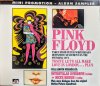
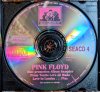
"The highlight of the disc is the almost 17-minute rendition of Interstellar Overdrive, played at a slightly more breathless pace than the "Piper" version.
Roger Waters and Nick Mason are locked for most of its length into a driving, one-chord groove under Richard Wright's noodling Farfisa organ chords and arpeggios. Barrett's guitar playing, not unlike his later mental state, is somewhere in deep space, but the sheer inventiveness of his technique is invigorating to hear"