

You are using an out of date browser. It may not display this or other websites correctly.
You should upgrade or use an alternative browser.
You should upgrade or use an alternative browser.
Best 3 Way Crossover
- Thread starter ken99
- Start date

Register to hide this ad

Radfordman
Super Member
Dont know about best, but very good 3 way crossovers (used) can be found on auction sites. Often Celestion Ditton 44 crossovers come up. They are usually cheap.

Russellc
Addicted Member
Cross overs and drivers need to be carefully selected so that it is possible to make it all work together. Selecting three drivers at random, then similarly selecting an existing cross over is a recipe for failure.
The drivers must be selected purposefully, so that their response will work with each other, and the crossover meld them together. This is done a variety of ways and with a variety of ancillary circuits for compensation and shaping to accomplish that end. These circuits will be specifically tailored to the particular units chosen.
As an example, look at the portion of the Econowave thread where the crossover is being designed. In one instance, a JBL LE14A driver was being crossed over at 1200 hz or so to the high frequency driver. One could have selected a generic 1200 hz crossover....but it wouldnt have worked. After all the drivers were measured, it was determined that the woofer should be crossed over at 900hz, and the high frequency at 3000hz.....but when measured with RTA, the ACTUAL accoustic crossover IS at 1200 hz. Why is this? Well drivers have responses them selves. If at or near the crossover frequency the driver is naturally rolling of at 6 db per octave, and you want say, 18 db, you would only need a crossover whose components would amount to 12 db per octave, then when combined with the drivers natural roll off, would yield 18 db per octave.
Or, as with the LE14A, there may be rising response as the driver nears the design crossover frequency. This rise must be dealt with, and this is one reason the crossover was put (electrically) at 900. 900 isnt a brick wall, but there is enough attenuation there that the hump caused by the rising response was flattened. Similarly, the HF units characterisics required it to be crossed over above 2500 hz, so 3000 was selected. but when combined, a near perfect crossover at 1200 hz results.
The selected HF units response also fell off after about 10khz or so, so a compensation circuit was used to flatten its response to beyond 18khz, and also pad the output a little and match it to the woofers effiecency. The HF unit had 111 db sensitivity, while the woofer is around 92-95 db. The crossover must match the specific sensitivities of these two drivers with each other, as well as cross them over properly.
This design resulted in a fantastic blending of these two drivers. BUT, if you just plugged in two different drivers with this cross over, they are going to have different characterictics, i.e. roll off, impedance curve, phase, resonances etc that are not being dealt with, plus a bunch of equalization the other driver required that this driver doesnt need, or may need different attention. Lord knows what mess just got brewed up.
Hope this helps a little how cramming drivers and generic crossovers ( or ones designed for different drivers) together. I would chose a system that has already been designed by someone who knows what they are doing, and has verified the results by measurment. Much more likely to end in success.
If you already have the drivers, you might decribe them and their specs. Bear in mind that unless verified by measurments, many manufacturers arent even close on the printed specs. Perhaps then someone can comment on the lielyhood of success in using those drivers.
Russellc
The drivers must be selected purposefully, so that their response will work with each other, and the crossover meld them together. This is done a variety of ways and with a variety of ancillary circuits for compensation and shaping to accomplish that end. These circuits will be specifically tailored to the particular units chosen.
As an example, look at the portion of the Econowave thread where the crossover is being designed. In one instance, a JBL LE14A driver was being crossed over at 1200 hz or so to the high frequency driver. One could have selected a generic 1200 hz crossover....but it wouldnt have worked. After all the drivers were measured, it was determined that the woofer should be crossed over at 900hz, and the high frequency at 3000hz.....but when measured with RTA, the ACTUAL accoustic crossover IS at 1200 hz. Why is this? Well drivers have responses them selves. If at or near the crossover frequency the driver is naturally rolling of at 6 db per octave, and you want say, 18 db, you would only need a crossover whose components would amount to 12 db per octave, then when combined with the drivers natural roll off, would yield 18 db per octave.
Or, as with the LE14A, there may be rising response as the driver nears the design crossover frequency. This rise must be dealt with, and this is one reason the crossover was put (electrically) at 900. 900 isnt a brick wall, but there is enough attenuation there that the hump caused by the rising response was flattened. Similarly, the HF units characterisics required it to be crossed over above 2500 hz, so 3000 was selected. but when combined, a near perfect crossover at 1200 hz results.
The selected HF units response also fell off after about 10khz or so, so a compensation circuit was used to flatten its response to beyond 18khz, and also pad the output a little and match it to the woofers effiecency. The HF unit had 111 db sensitivity, while the woofer is around 92-95 db. The crossover must match the specific sensitivities of these two drivers with each other, as well as cross them over properly.
This design resulted in a fantastic blending of these two drivers. BUT, if you just plugged in two different drivers with this cross over, they are going to have different characterictics, i.e. roll off, impedance curve, phase, resonances etc that are not being dealt with, plus a bunch of equalization the other driver required that this driver doesnt need, or may need different attention. Lord knows what mess just got brewed up.
Hope this helps a little how cramming drivers and generic crossovers ( or ones designed for different drivers) together. I would chose a system that has already been designed by someone who knows what they are doing, and has verified the results by measurment. Much more likely to end in success.
If you already have the drivers, you might decribe them and their specs. Bear in mind that unless verified by measurments, many manufacturers arent even close on the printed specs. Perhaps then someone can comment on the lielyhood of success in using those drivers.
Russellc
Radfordman
Super Member
Agreed, but big names get it so wrong and have done for years.
It is surprising what one can achieve by slinging stuff together.
Worth a try especially if the parts are there.
It is surprising what one can achieve by slinging stuff together.
Worth a try especially if the parts are there.

hifi_nut
Vintage? I´m vintage!
Should you decide to go the active way, there are plenty of active crossovers on the cheap. It will save you the hassle of finding the apropriate passive crossover, but it will cost you more on amplification. Results are beyond most people´s expectations, though.
Jorge
Jorge
Russellc
Addicted Member
Agreed, but big names get it so wrong and have done for years.
It is surprising what one can achieve by slinging stuff together.
Worth a try especially if the parts are there.
Not nearly as often with really big names. Way, Way more likely to make a failure just "slinging parts together".....that will NEVER result in a speaker sysytem that works, and to suggest otherwise is flat irresponsible IMHO, and in the opinion of anyone who seriously designs speakers.
Sure you can throw things together and "call it good," how many times is it really good? Never I'd say. I built speaker like that in the 70's with generic crossovers, never resulted in anything approaching what I'm building today.
They would sound "good", but when you were in the stereo shope listening to well designed USA and English speakers, I always heard a coherency that I could never capture.
There are certain drivers that are easier to use than others, especially in a 2- way system. Many companies in the day, (who new a bit about speaker design) like Kloss for example, found many mid bass drivers that would naturally roll of w/o a crossover, then matched tweeters to them using first order crossovers.
But a threeway is a whole different kettle of fish. And most drivers, unless purpose designed for a specific speaker system, do anything but "roll off naturally", especially modern drivers with kevlar or various metals. People want to use them b/c they are the latest technology, but they generally have crazy rising response, which without a proper desigen crossover will NEVER sum properly.
Similarly, many drivers have wild swings of impedance over the frequency range. An 8 nominal ohm speaker is anything but Nominal. The impedance will vary from over 50 to as low a 2 ohms in some drivers, and a generic "8 ohm crossover" will never work because at the crossover frequency it isnt seeing anywhere near 8 ohms.
I wont even get into what this does for phase response, creating nulls, and all around ruined imaging. A total waste of money and drivers. I can personally guarantee you that selecting 3 drivers at random and putting them with a generic 3 way crossover will result in a speaker that sounds bad. Some may like it, but compare it to something properly designed and you will see what I mean. Then carefully measure with an RTA and observe the mess.
There are tons of proven "Recipies" out there that work fine. You will save money and be way more satisfied with the result. If you just want a frat house blaster, throw it together, who'll know the difference? Even if that was what I was building, I would still follow a proven path. There are lots of systems over the years that have been built and discussed here. Also Parts Express web site has a number of proven speakers designs.
After building several "throw togethers" the first real scienced out speaker I built was a clone of the JM labs micron. From a review, I knew the cu ft and the tuning point and what the impedance curve looked like. The drivers were available from Orca at the time, and contacting Kimon Bellas of Orca, persuaded him to send me the Micron's crossover schematic. This little satelite blew the doors off all the projects I had built up to that time. Really opened my eyes about how much I needed to learn.
The next project was another focal driver deal, designed by Joseph D'Appolito,
the Aria 5, which was another success, becuase of proper design. This sort of performance will never, repeat NEVER happen just throwing things together.
If you must "throw together," at least buy The 99 buck woofer measuring systen from parts express, a Behringer DEQ 2496 RTA ( inexpensive, and quite usuable) and either learn your way around spice, or one of the commercial speaker designing programs.
Russellc
Russellc
Addicted Member
Should you decide to go the active way, there are plenty of active crossovers on the cheap. It will save you the hassle of finding the apropriate passive crossover, but it will cost you more on amplification. Results are beyond most people´s expectations, though.
Jorge
This would great advice as well. Only thing is, you'll need three amps. This would be the way to throw things together. Have a look at Behringer CX 3400. only 129.99, and many times 99.99. can be 2 or 3 way, has cd curve compensation and a few other nice user friendly features.
You may want to start with a 2 way, they are usually easier to design and subs can always be added. Or, how would a sysytem that can acurately do 20's-30's bass, crystal clear highs to almost 20 khz, 6 foot wide sweet spot, and image like crazy? Check out my 4647 build in the Econowave thread. It's an excellent read, long but lots of good design info. Ditto the Indignia thread. Both show how a driver is selected, measured, and a crossover designed for it. Check it out!
Russellc


TerryO
Super Member
If you're just starting out, you may want to go the single driver/fullrange route. The "fullrange" part is a little misleading as, TTBOMK, they are only extended range drivers that may need bass or treble augmentation (or both).
For the people that really are into this, and it is an esoteric subset of the diy speakerbuilders, quite often they never leave as the "fullrange" sound can be quite seductive. What some do to correct for the flaws of a speaker with manipulation of the crossovers, the single driver people do to the mechanical aspects of a driver and cabinet.
Try an inexpensive "fullrange" speaker first, you'll learn a lot and then later on you can add a super tweeter and perhaps a bass module or a subwoofer.
It's great fun to experiment with different combinations and approaches. Another thing is that fullrange speakers can be very simple (and fast to build) and you'll have a successful result right at the start. Just go slow, listen and think about what you're hearing as you try different things, and don't let yourself be swayed by self appointed experts (like me! :^).
This can be a fun hobby, so don't be too serious. The journey may be as, or more, enjoyable than the final destination. It always has been for me.
Best Regards,
TerryO
For the people that really are into this, and it is an esoteric subset of the diy speakerbuilders, quite often they never leave as the "fullrange" sound can be quite seductive. What some do to correct for the flaws of a speaker with manipulation of the crossovers, the single driver people do to the mechanical aspects of a driver and cabinet.
Try an inexpensive "fullrange" speaker first, you'll learn a lot and then later on you can add a super tweeter and perhaps a bass module or a subwoofer.
It's great fun to experiment with different combinations and approaches. Another thing is that fullrange speakers can be very simple (and fast to build) and you'll have a successful result right at the start. Just go slow, listen and think about what you're hearing as you try different things, and don't let yourself be swayed by self appointed experts (like me! :^).
This can be a fun hobby, so don't be too serious. The journey may be as, or more, enjoyable than the final destination. It always has been for me.
Best Regards,
TerryO
Last edited:

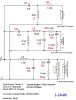
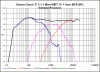
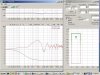
Hi Russellc, I see you have quite some knowledge of X-over and their designs. And agree with you on how to go about designing and carefully selecting components. I have three sets of custom design and built speakers done for me. You basically have to design a audio speaker system from the inside out. Ask what kind of music source do you want the speakers to reproduce accurately. Pick out the drivers and make sure each will work together as they overlap each other smoothly. Then come up with a design for the drivers you just pick and work them all together in harmony hopefully. Here's a pic a good friend of mind who designs custom x-overs, what do you think Russellc?

Attachments


Russellc
Addicted Member
Hey Russel, could you point us to the direction of the thread with your econowave 4647's ?
Thanks
Its the "Design collaborative econowave thread", largest in AK history!
Great read, but if you only want info on that setup, use the "search this thread" which will only look through that thread instead of the whole forum. also, I wouldnt just search my name, I think I have posted HUNDREDS of posts there, some relating to the project and others in response to others or inquiries.
Russellc
Russellc
Addicted Member
Hi Russellc, I see you have quite some knowledge of X-over and their designs. And agree with you on how to go about designing and carefully selecting components. I have three sets of custom design and built speakers done for me. You basically have to design a audio speaker system from the inside out. Ask what kind of music source do you want the speakers to reproduce accurately. Pick out the drivers and make sure each will work together as they overlap each other smoothly. Then come up with a design for the drivers you just pick and work them all together in harmony hopefully. Here's a pic a good friend of mind who designs custom x-overs, what do you think Russellc?
Looks like a well thought out design on the face of it, hard to tell w/o seeing the actual response. ( I see you have posted it as well ). Looking at the cross over, the HF section appears to be 2nd order electrically, very small amount (1 ohm ) attenuation, no notch filters, I believe the Morell unit is a ferro fluid cooled unit that likely wouldnt need any.
The mid range driver uses a zobel to no doubt flatten some impedance irregularities around the crossover frequencies, and uses what appears to be a second order bandpass filter. Generally speaking, with a second order crossover on both tweeter and the next driver down will result in a 180 degree phase problem, and the tweeter leads are usually reversed to make up for this, and they are not here. Since the response chart does not show a dip at the crossover, they must be in phase. Looking again I see this is a L-R crossover, generally they are in phase at the crossover, this must be why? WHOOPS, now I see the mid is flipped, correcting the 180 degree phase problem. Its 24 db per octave (4th order) L-K crossovers that sum in phase, sorry.
woofers also use a zobel network, and are also a second order crossover, electrically anyway. Looking at the response pretty much shows this crossover working as it should, and as such is an example of what I'm talking about. Any pics of the finished project?
Russellc

What you could do is buy a pair of "generic" crossovers from somewhere like Parts Express, and a few more capacitors and/or inductors depending how much money you want to spend.
You can then play around with the components to your hearts content. If you are build a reflex enclosure, run the bass, mid and treble cables out through the port, and experiment with the speaker all bolted together. Just make sure you don't cross any wires.
Lee.
You can then play around with the components to your hearts content. If you are build a reflex enclosure, run the bass, mid and treble cables out through the port, and experiment with the speaker all bolted together. Just make sure you don't cross any wires.
Lee.


