kwingylee
Well-Known Member
Well so far-I'm not to impressed with these-lower Heil output, loss of dynamics-although the stereo image is seemingly widening slightly.
So far they kill the main advantages of the AMT3-dynamics-wide and airy stereo image.
On some vocals-piano they sound pretty good after 60+ hours or so. Rock music-eh...
I could be mistaken-but they seem to sound bad first time you turn them on-after 5 minutes or so-they sound better. Weird..
The first speaker sounded great in mono-when I was working on the other one.
Some mentioned on the cap thread..200 to 300 hours of breakin time.
I find this a bit hard to believe that they will change that much-especially the output.
Interesting experiment.will see.
But I have to say, listening to them now, is a bit of a drag.
That cap thread is weird-people stuck in their cap lore-there is some good info, but its too subjective IMHO.
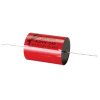
But it's been a eye opening experiment so far-and confirms what a big difference-a oil cap, for example can have on a speaker crossover.
And also, how good the AMT3's can sound with average poly caps-and that your best sticking with these for the most part-unless will see-if you can wait 400 hours of break-in time!!!
What ever works-cap swapping would not be my hobby on a regular basis-that's for sure!!
Cheez...…..
View attachment 1639214
Automojo:
Caps don't solve all problems. They are used primarily for final voicing.
OIL caps tend to sound warm and soft and are used in horns, where they can tame the aggressive sound. In the old days, people use motor run caps with oil. Early Klipsch speakers used them They will not be good in a lay back system. I would not used them in ribbons which generally have a nice/non-aggressive sound. It could very well be for the AMT-3 standard PPT caps are best. That is good news because we will save lots of $$.
Last edited: