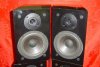
I'm experimenting with line level compensation after abandoning tone controls and analog EQ for unwanted degradation of the sound. I got into this with Kef 103.3s, which require equalization with an analog line level Kube to be usable. I was uncomfortable having a mass produced opamp gizmo in my carefully developed signal chain. My solution was to reverse engineer the curve and load it into a DEQ2496. I now use the Behringer as a DAC for my digital sources (primary musical resource), compensation for the KEFs and as EQ for the system. With a DSP engine is the least compromised solution I could come up with since passive RC filters wouldn't do the job. The Behringer is an amazing Swiss army knife processor that I rely on for lots of functions now. Plus: bouncy lights!
I have yet to exercise the RTA functions of the DEQ2496 but I do have the mic. Need a boom, a cable and lots of experimentation, then it's off to the next level of speaker development.
I should read over that thread on BSC so Ican know how to set it up on the Behringer. In my main system I typically run the speakers against the (glass) back wall. The rest of the room is so big and absorptive that I need the bass reinforcement to balance the sound. If I could achieve good bass level with the speakers away from the wall the articulation and imaging would be greatly improved.
Unfortunately I'm working on multiple audio projects at teh same time: customer repairs, personal SS power amp projects like the Pass F5 I just collected all of the parts for, refurbishing vintage gear for sale and fixups of dead gear for friends. On top of a full time job this leaves only small blocks of time for speakers and not enough for concentrated application to work on developing the Behringer RTA/Mic system as a usable tool. It's a steep learning curve to get to where the new tool is paying off.