

You are using an out of date browser. It may not display this or other websites correctly.
You should upgrade or use an alternative browser.
You should upgrade or use an alternative browser.
Show Me Your Sansui!
- Thread starter onepixel
- Start date




ToniCH
Well-Known Member
Wow, that is cool.
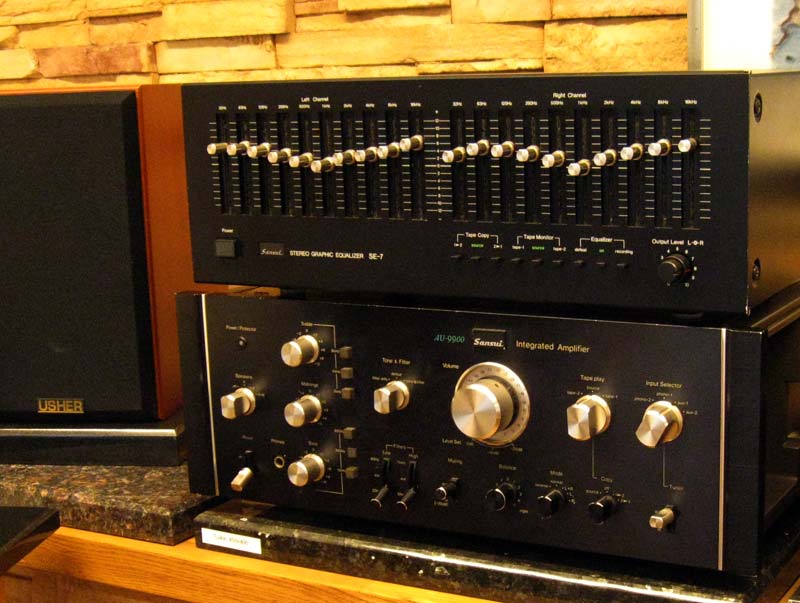
 The vertical strip on the EQ is a good idea. My second SE-7 also has the matching style slider knobs with the Pro/Def -series, I might do something similar.
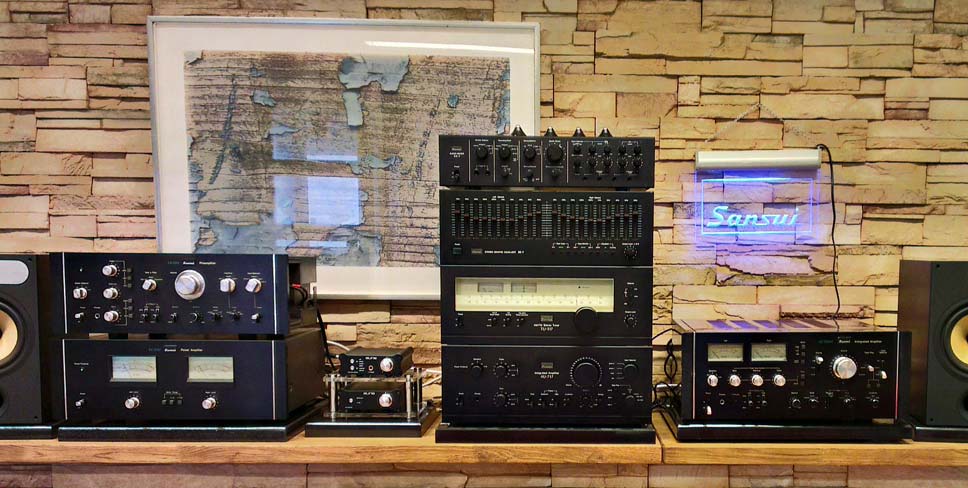
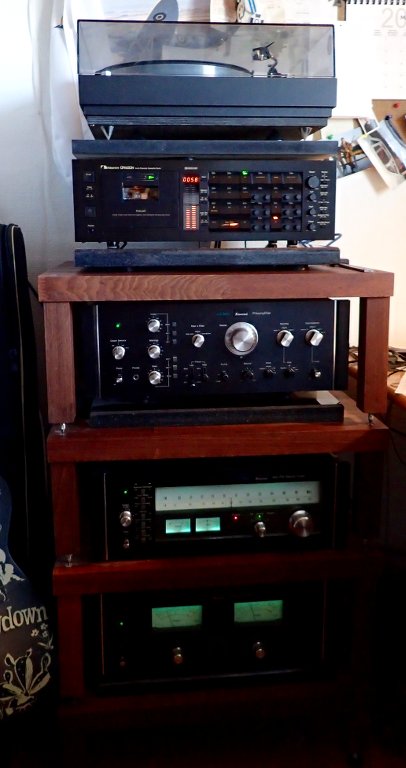
I see all my old pics are gone so I will repost some on roughly the same theme as the pic above.
Last edited:

aileenamegan
Super Member
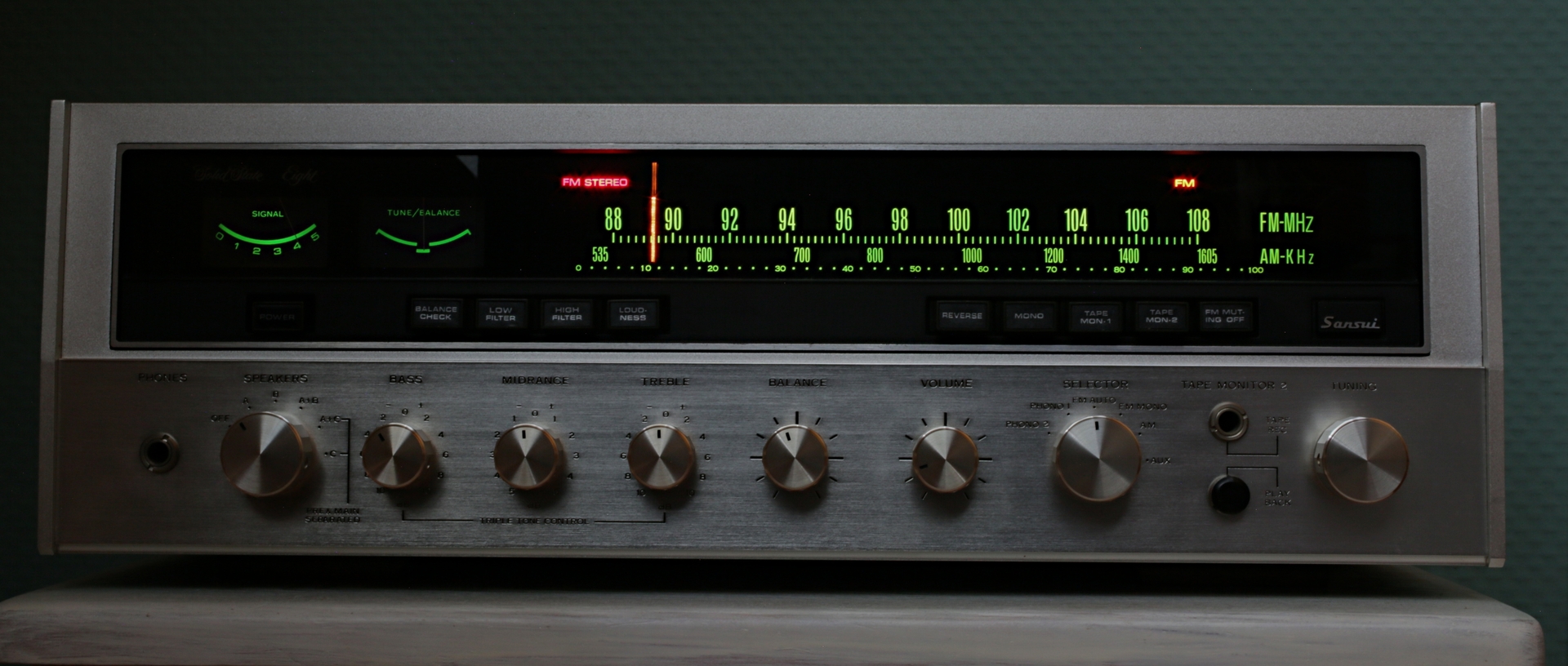
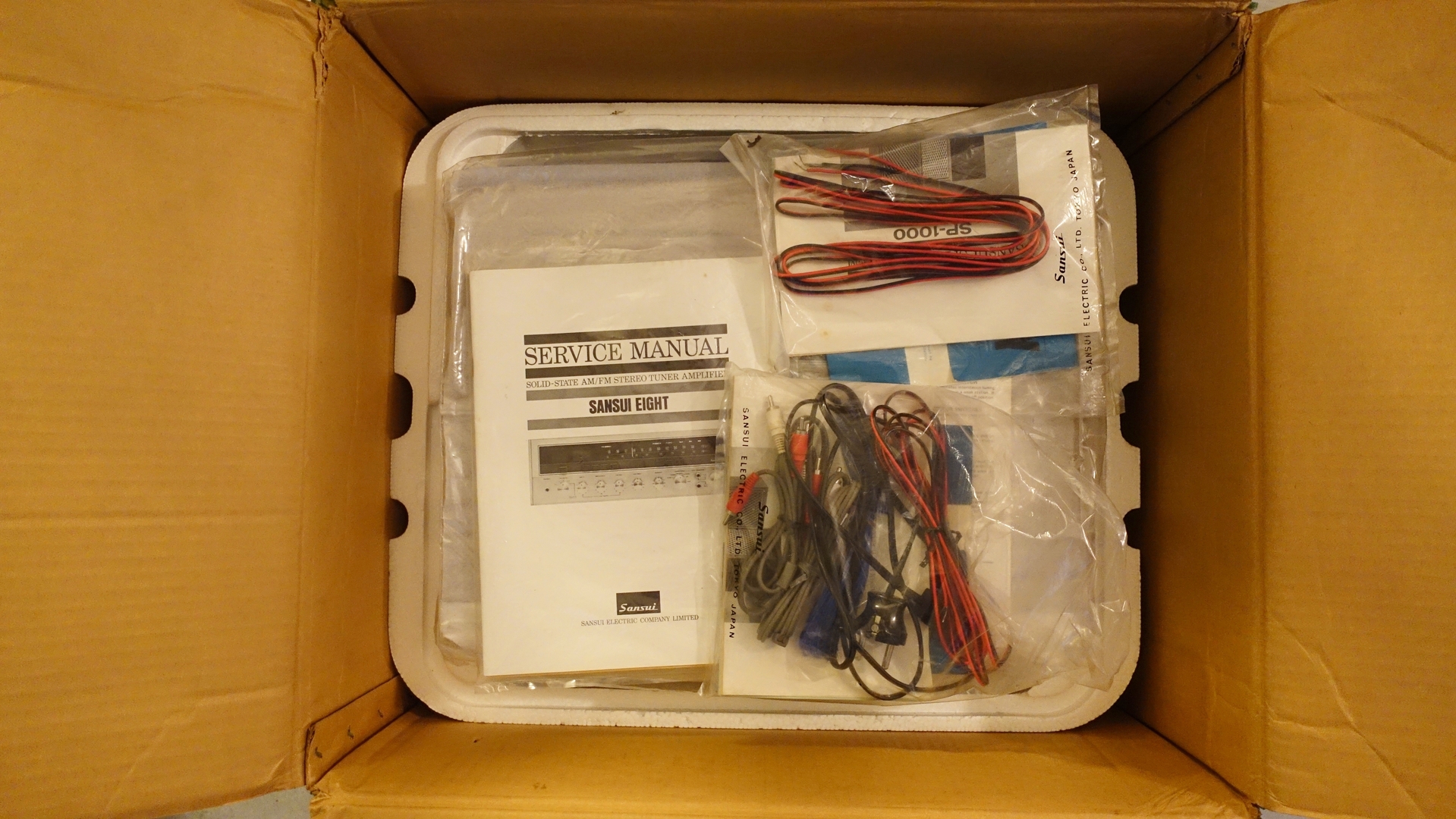
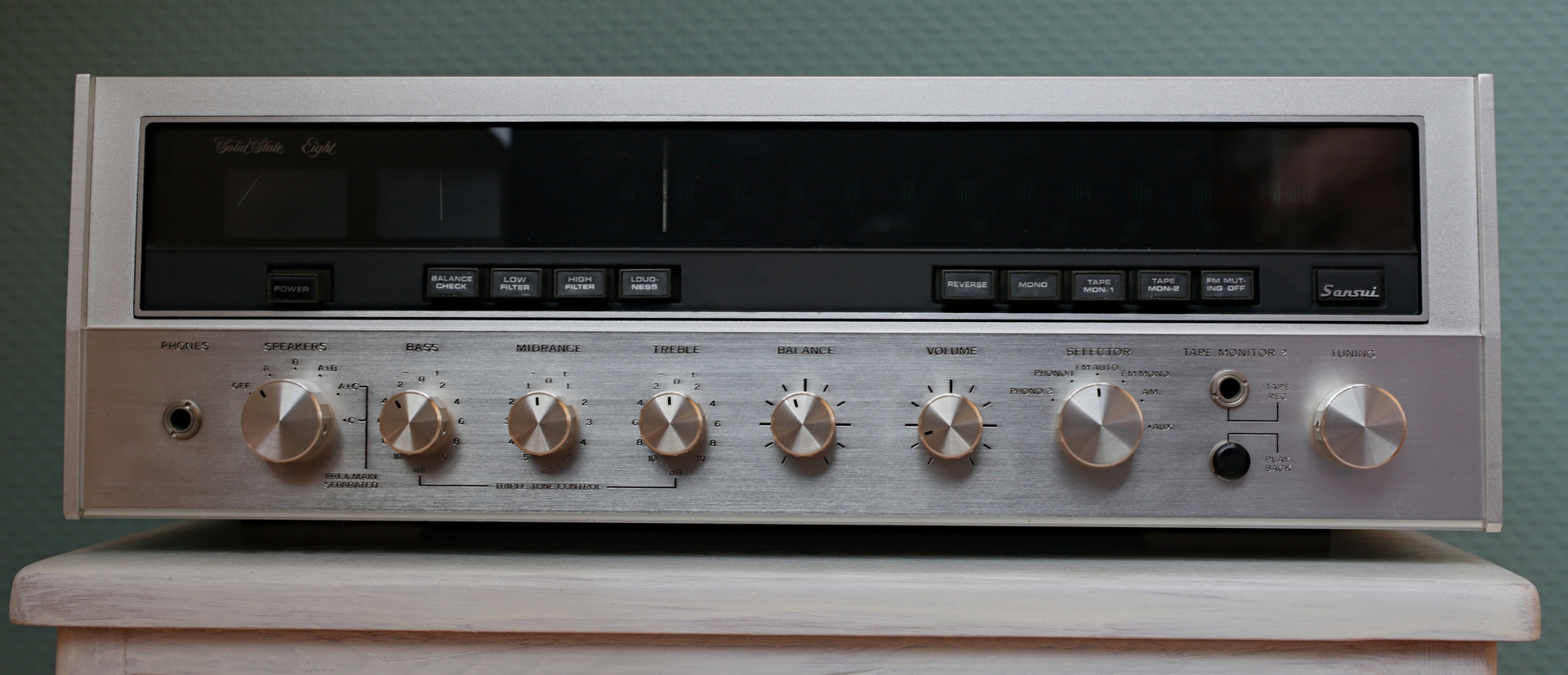
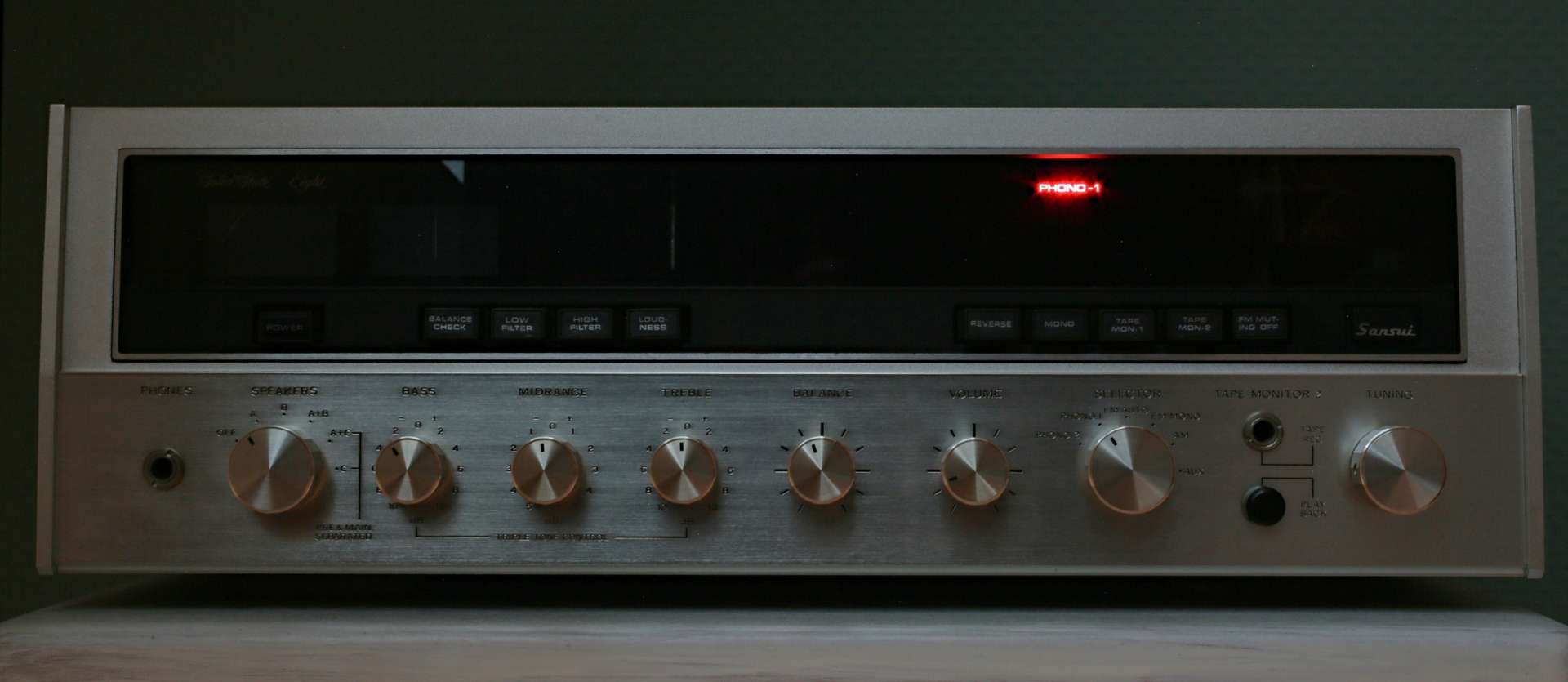
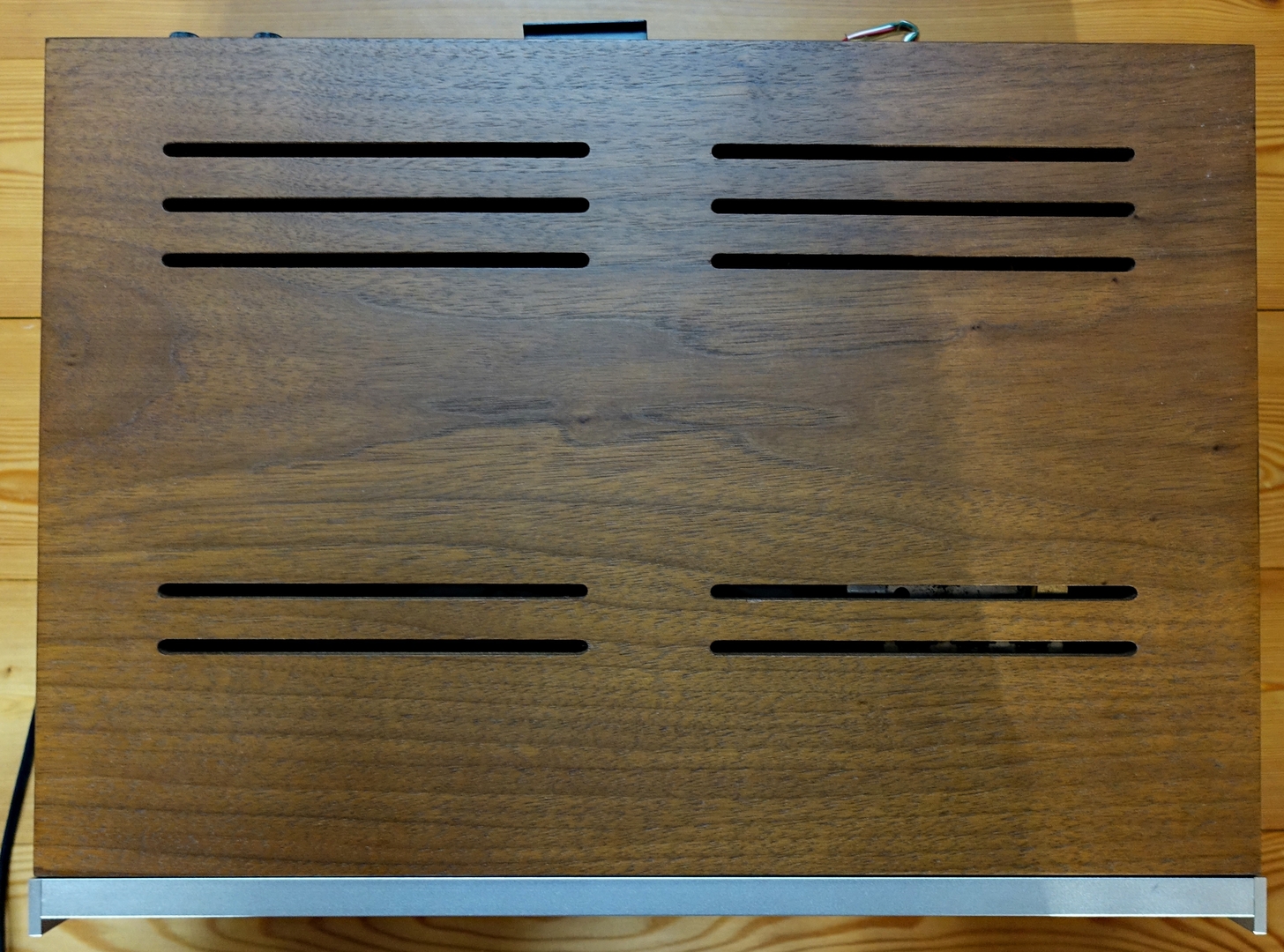
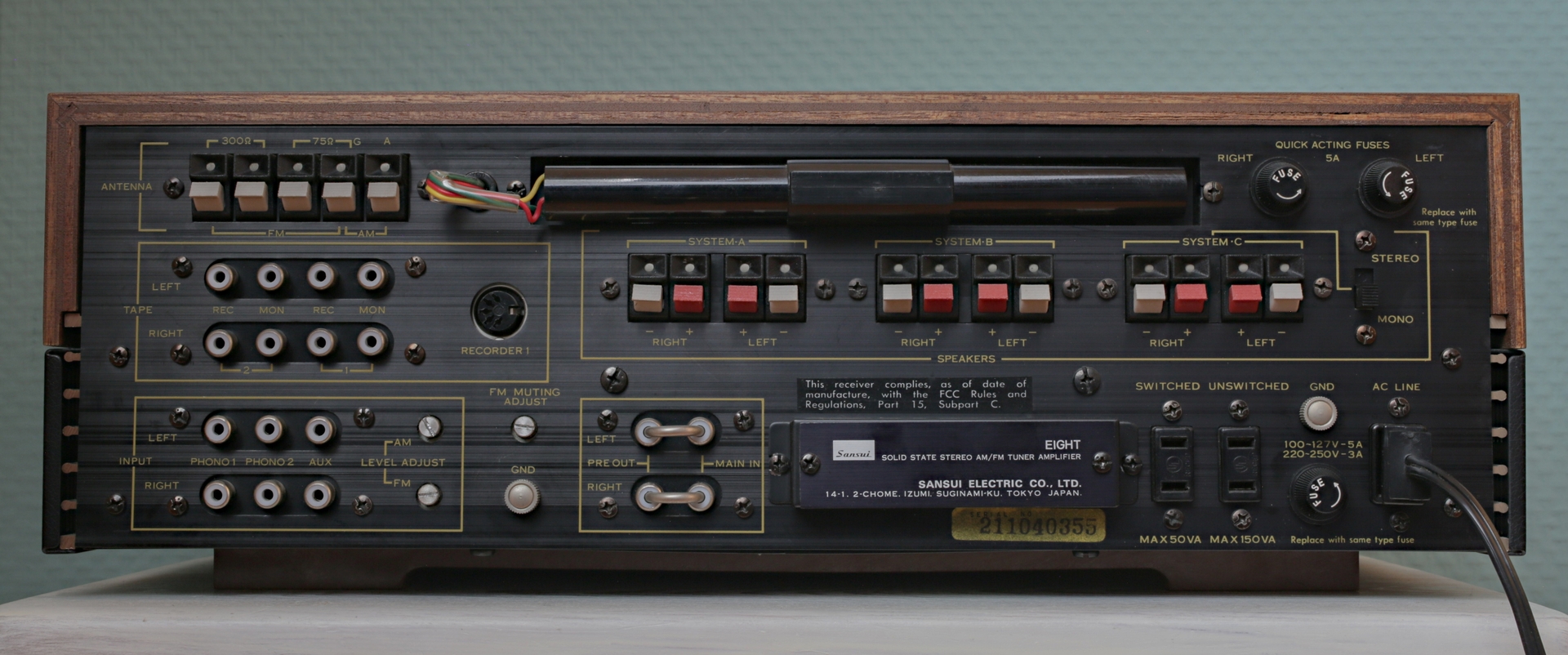
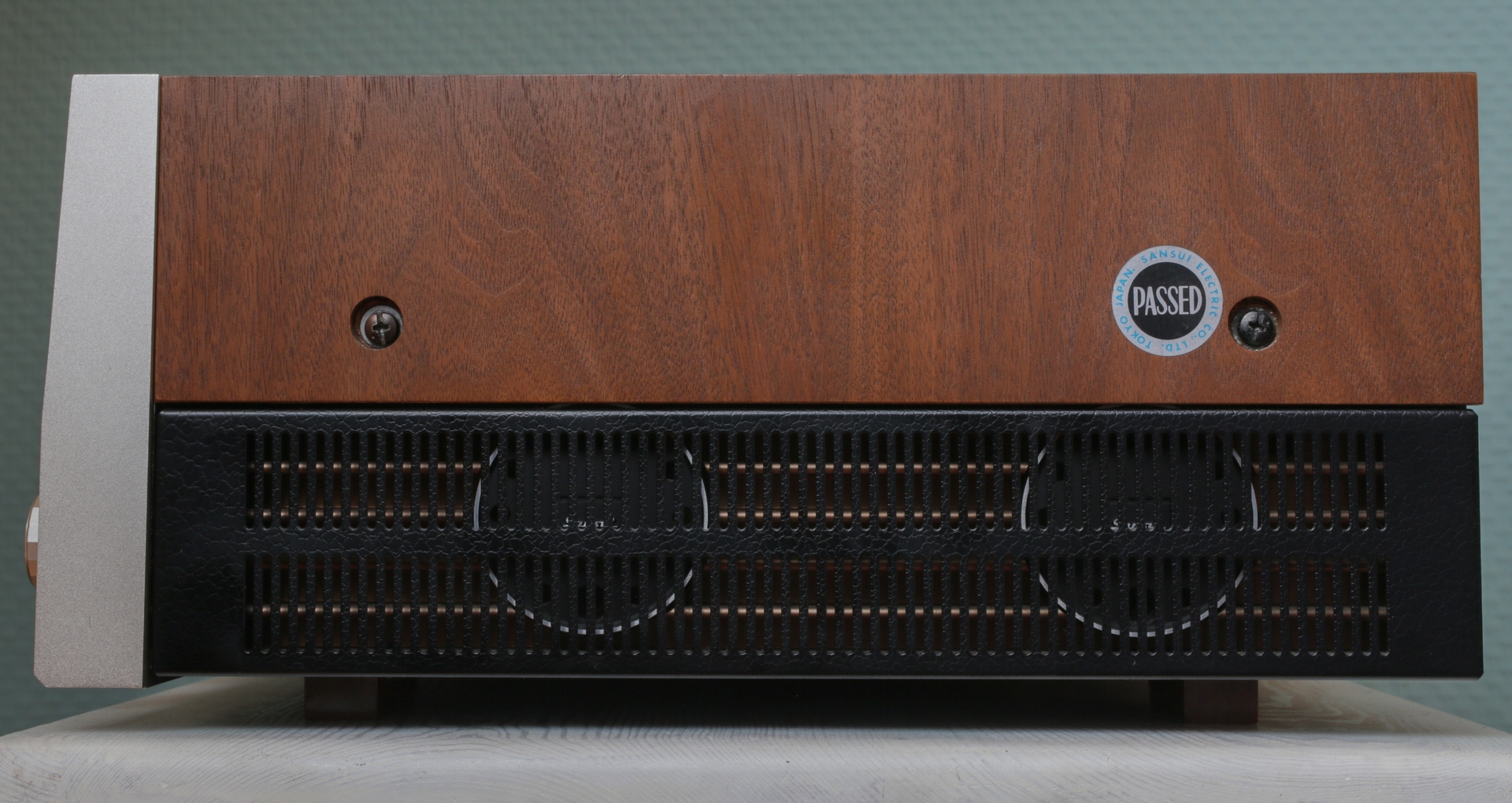
One of my Eight's with original box and accessoires. Sold it in January.
aileenamegan
Super Member
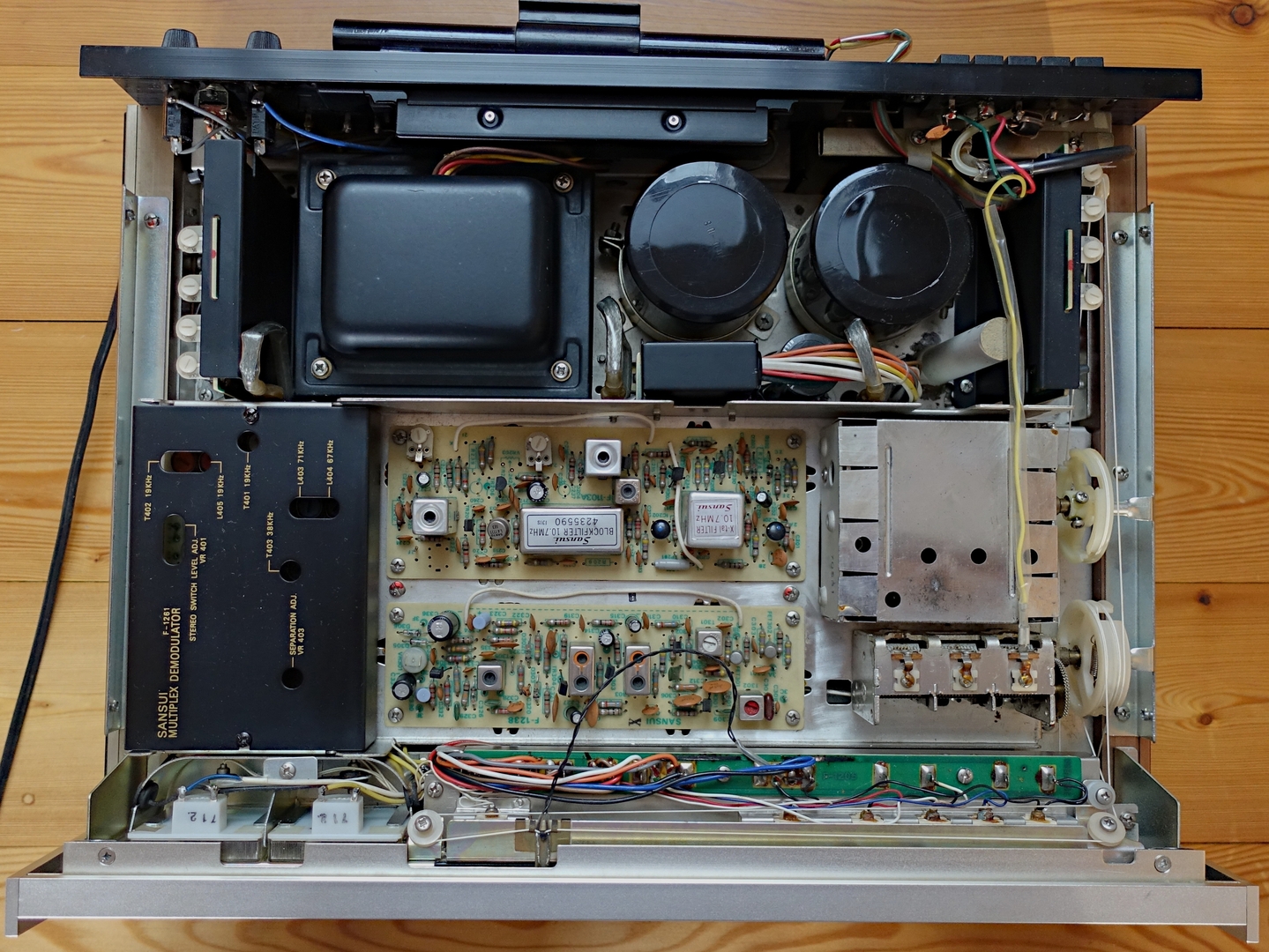
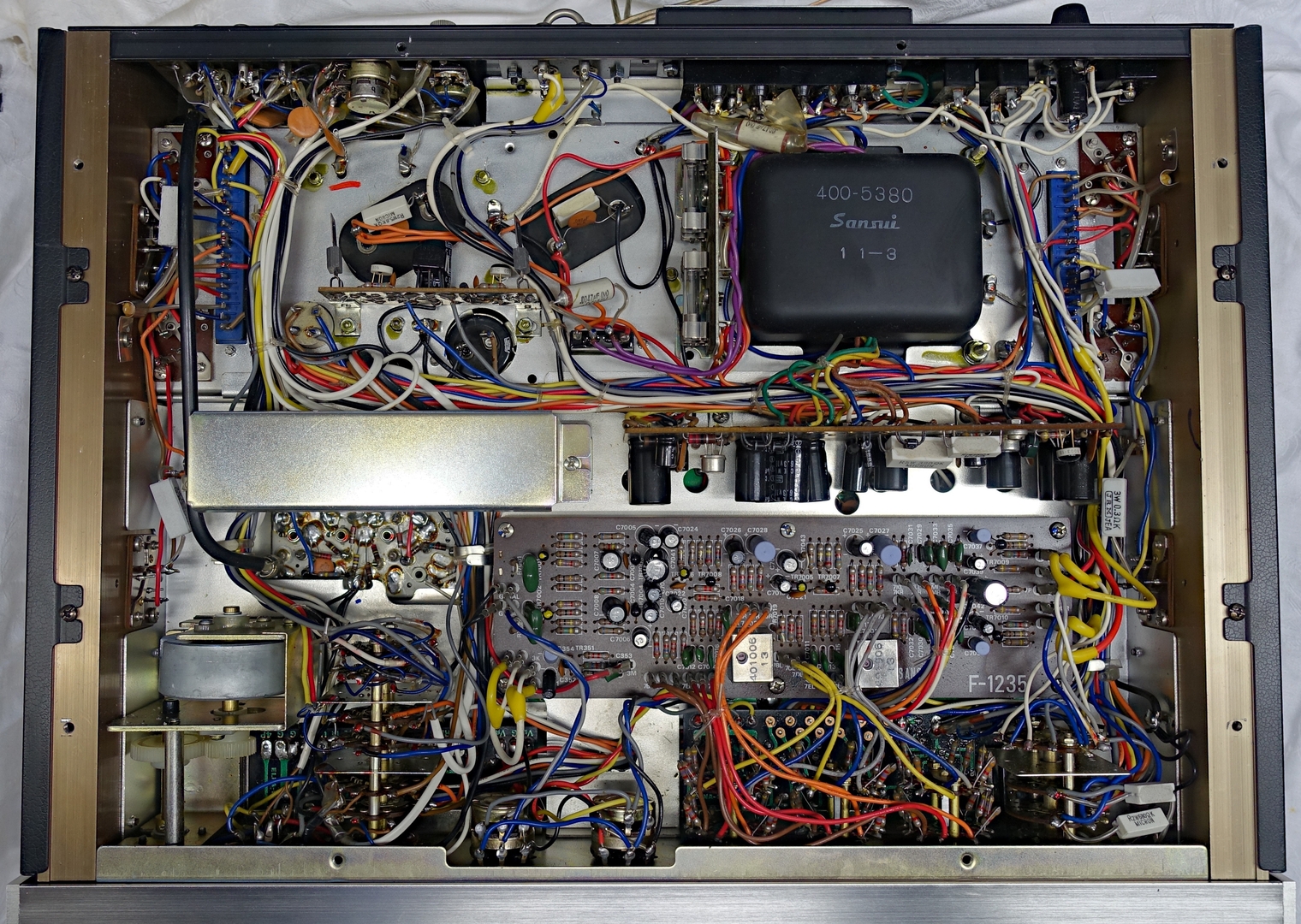
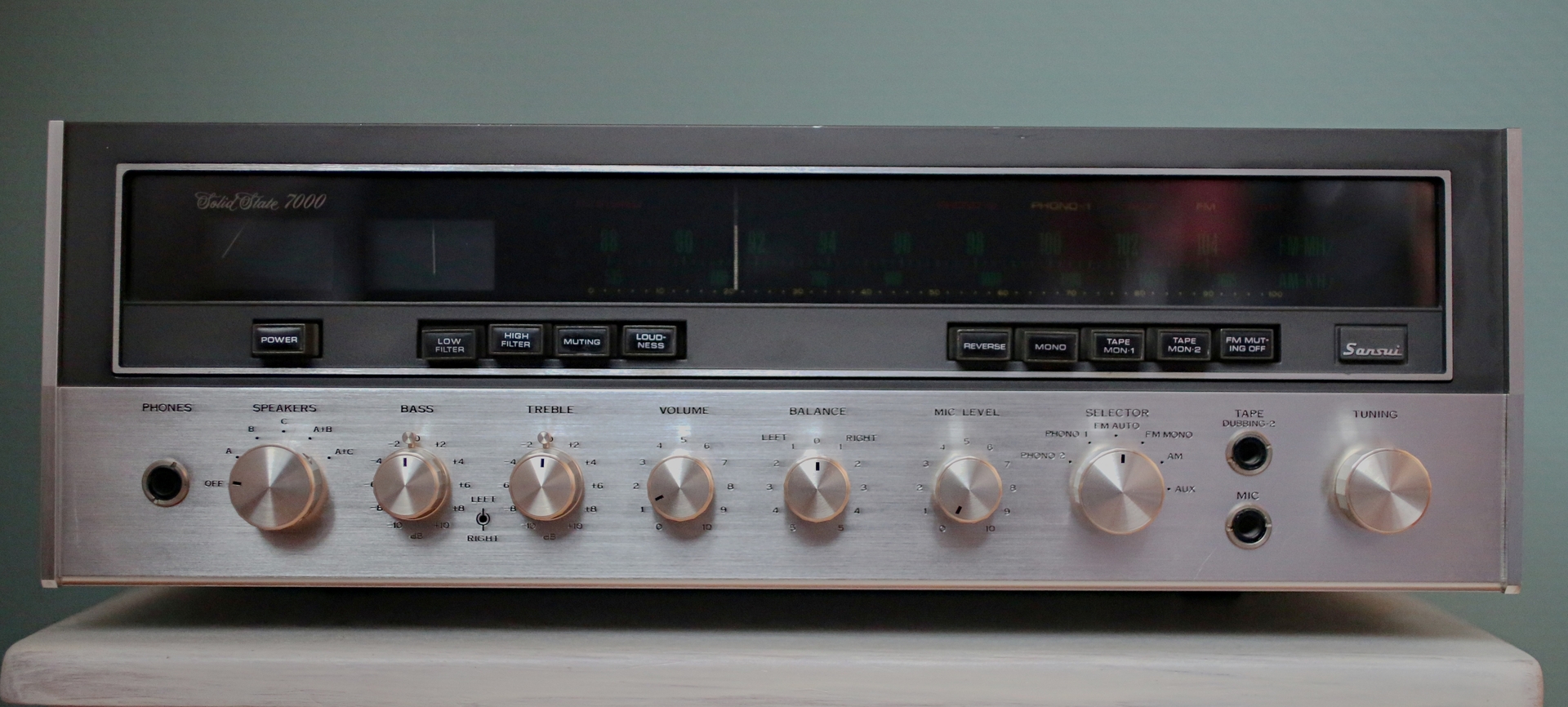
Another model of the Single Digit Series - although the model name suggests something different. Sansui 7000.
Came parallel to the Eight. Still High End - at that time - but not as expensive to produce as the Eight. Has a liitle bit more power.
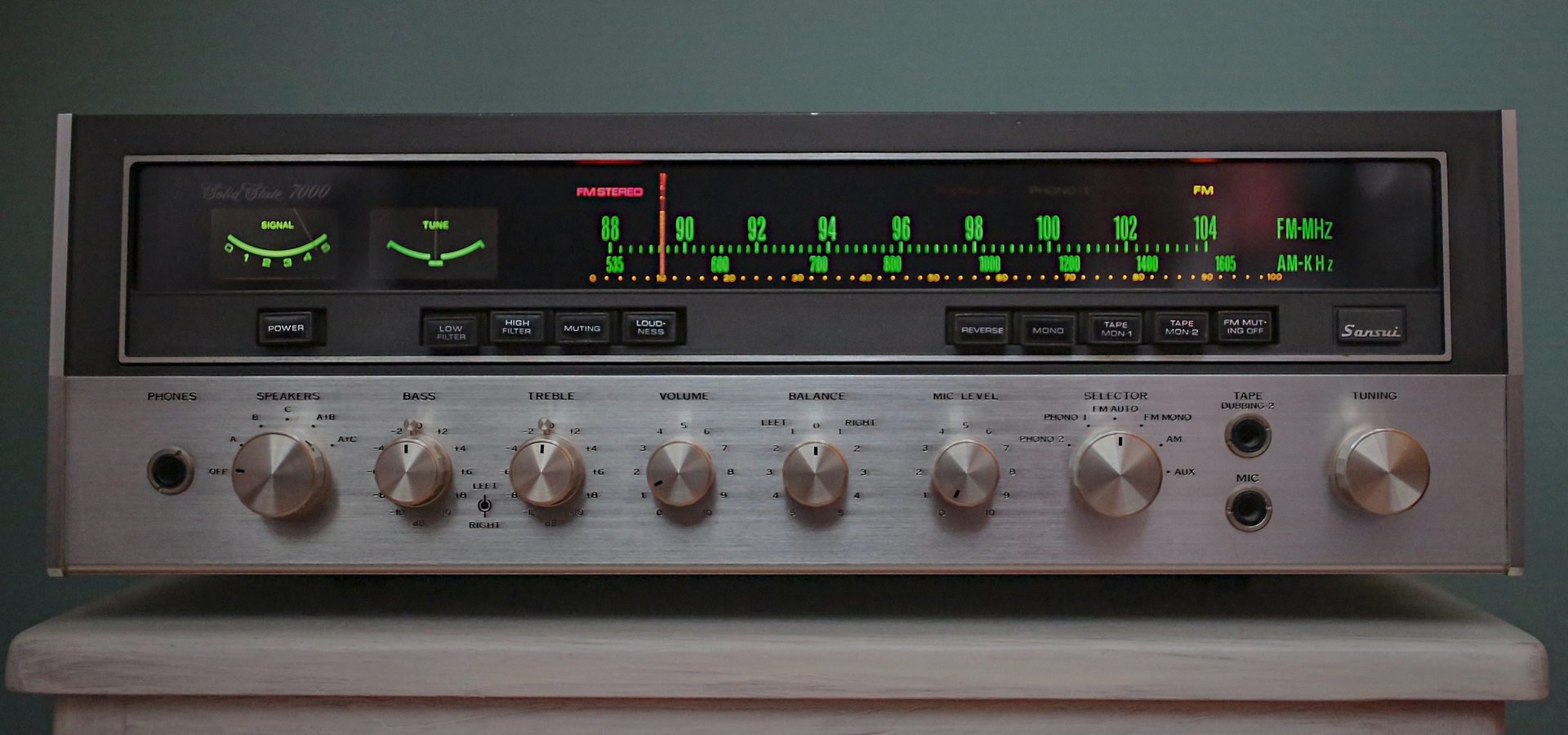
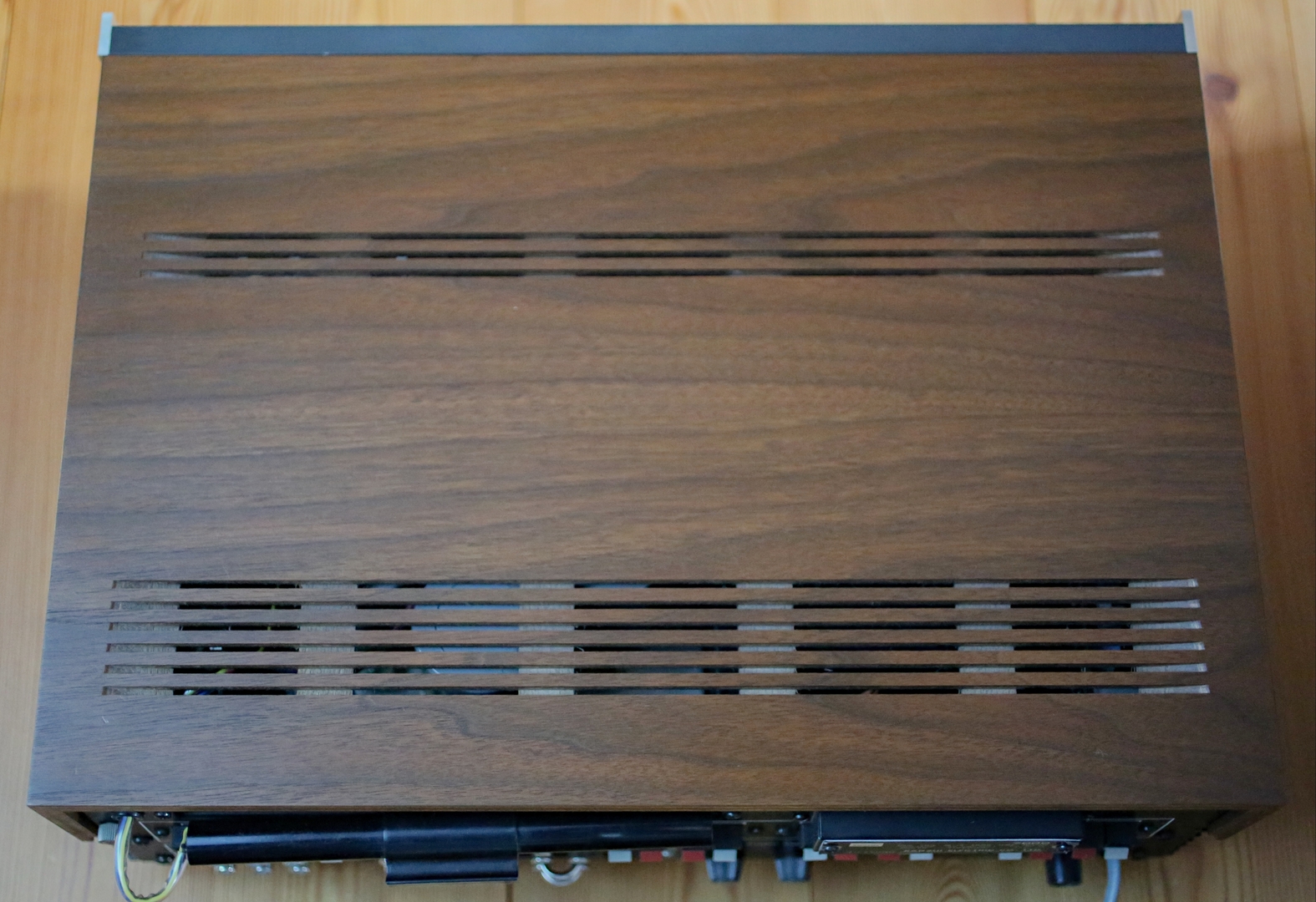
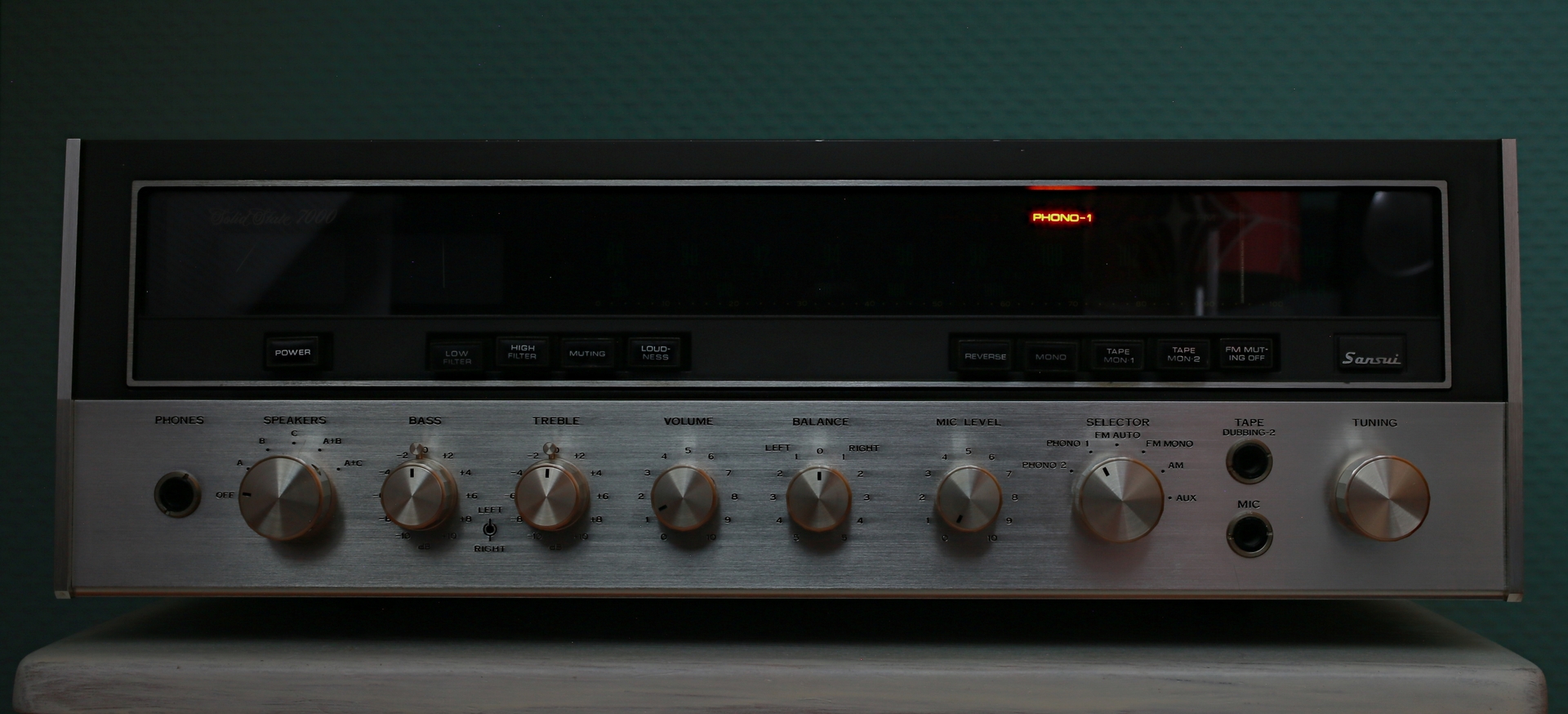
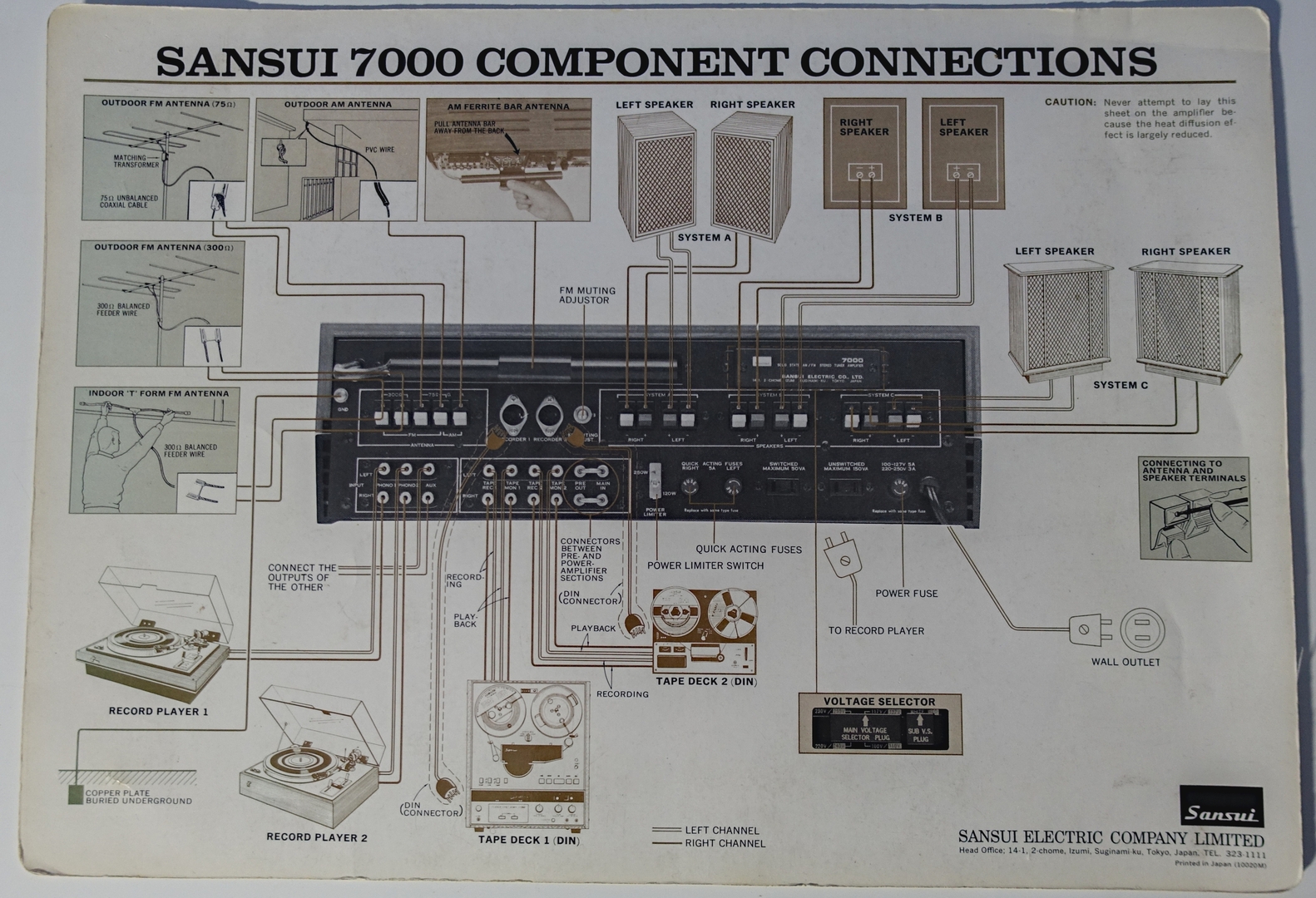
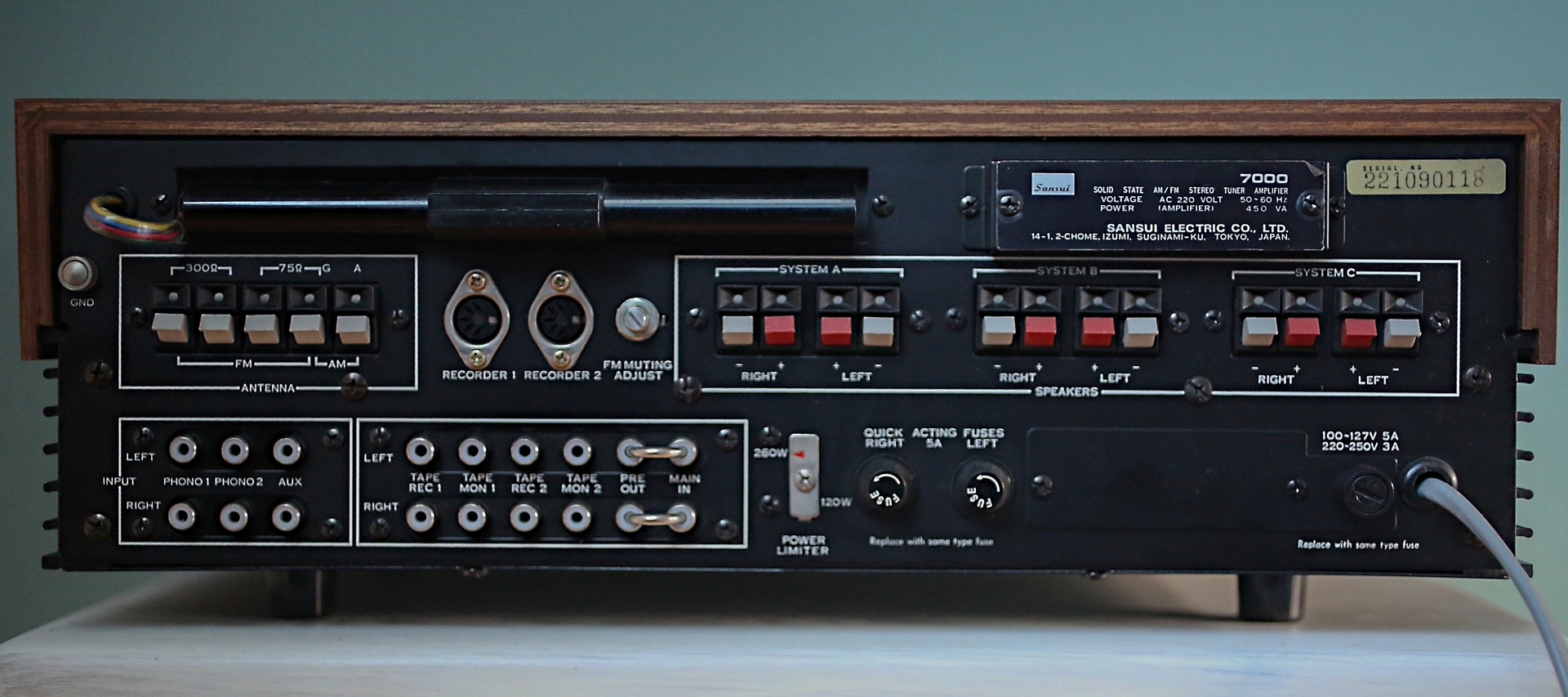
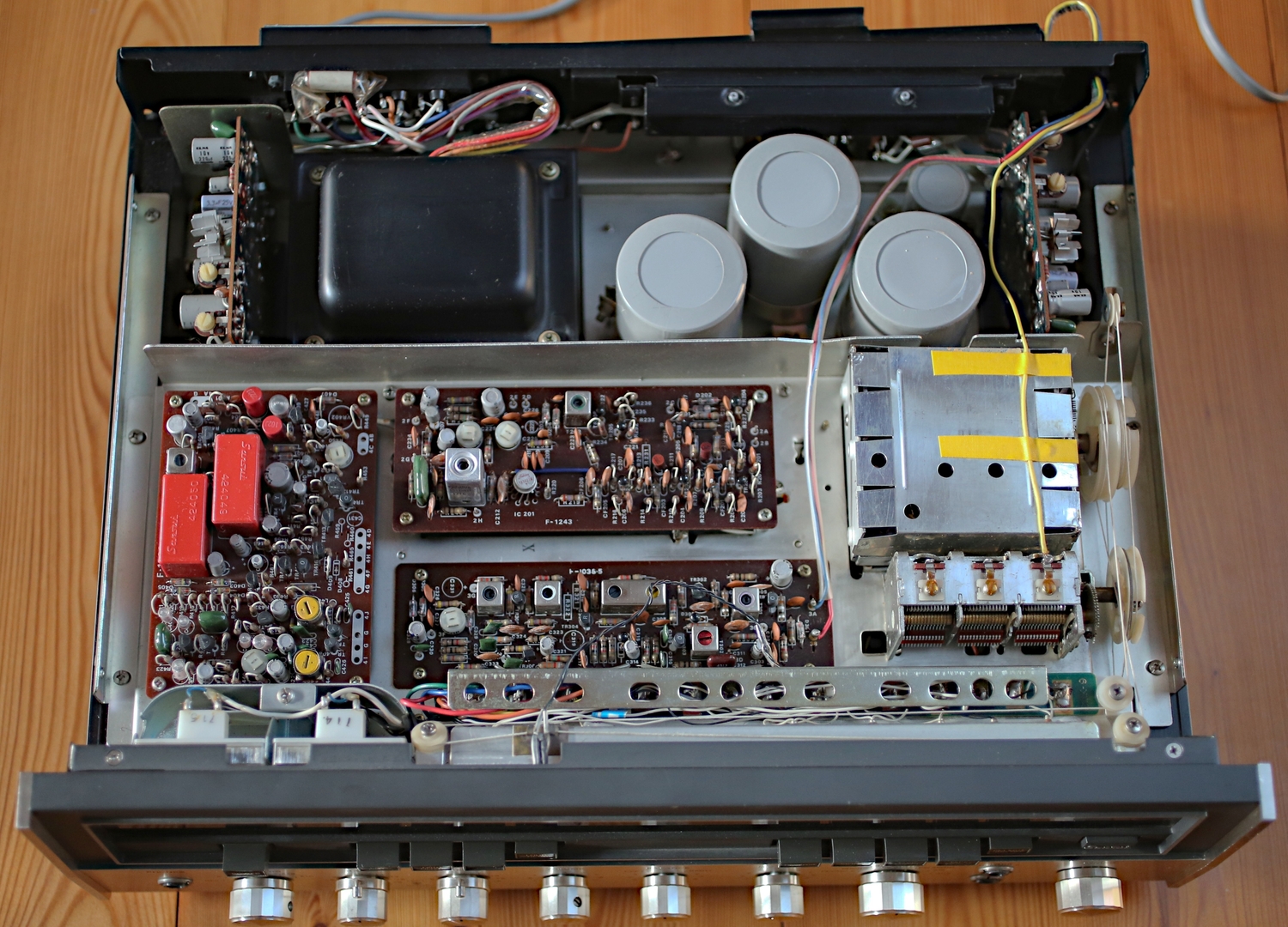
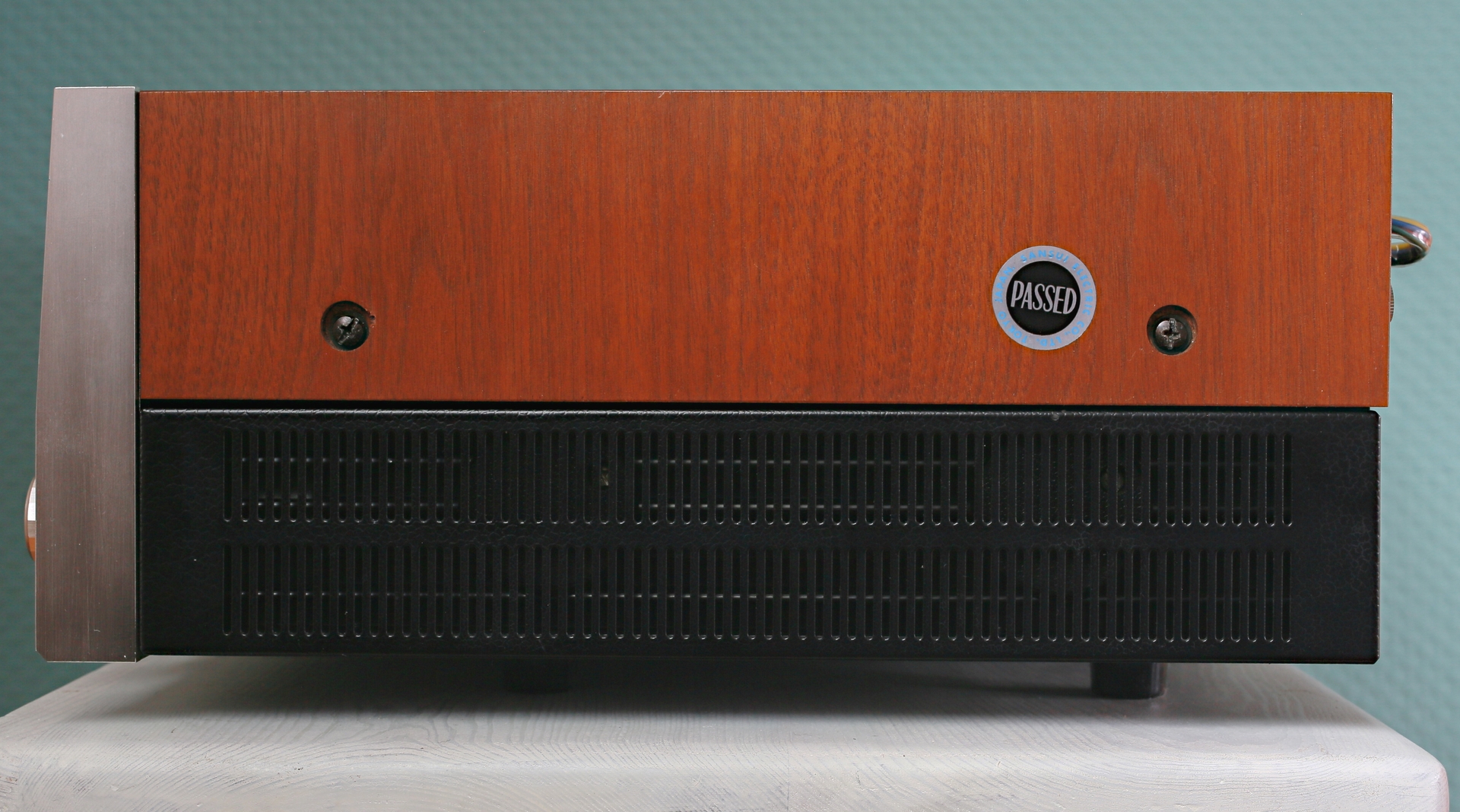
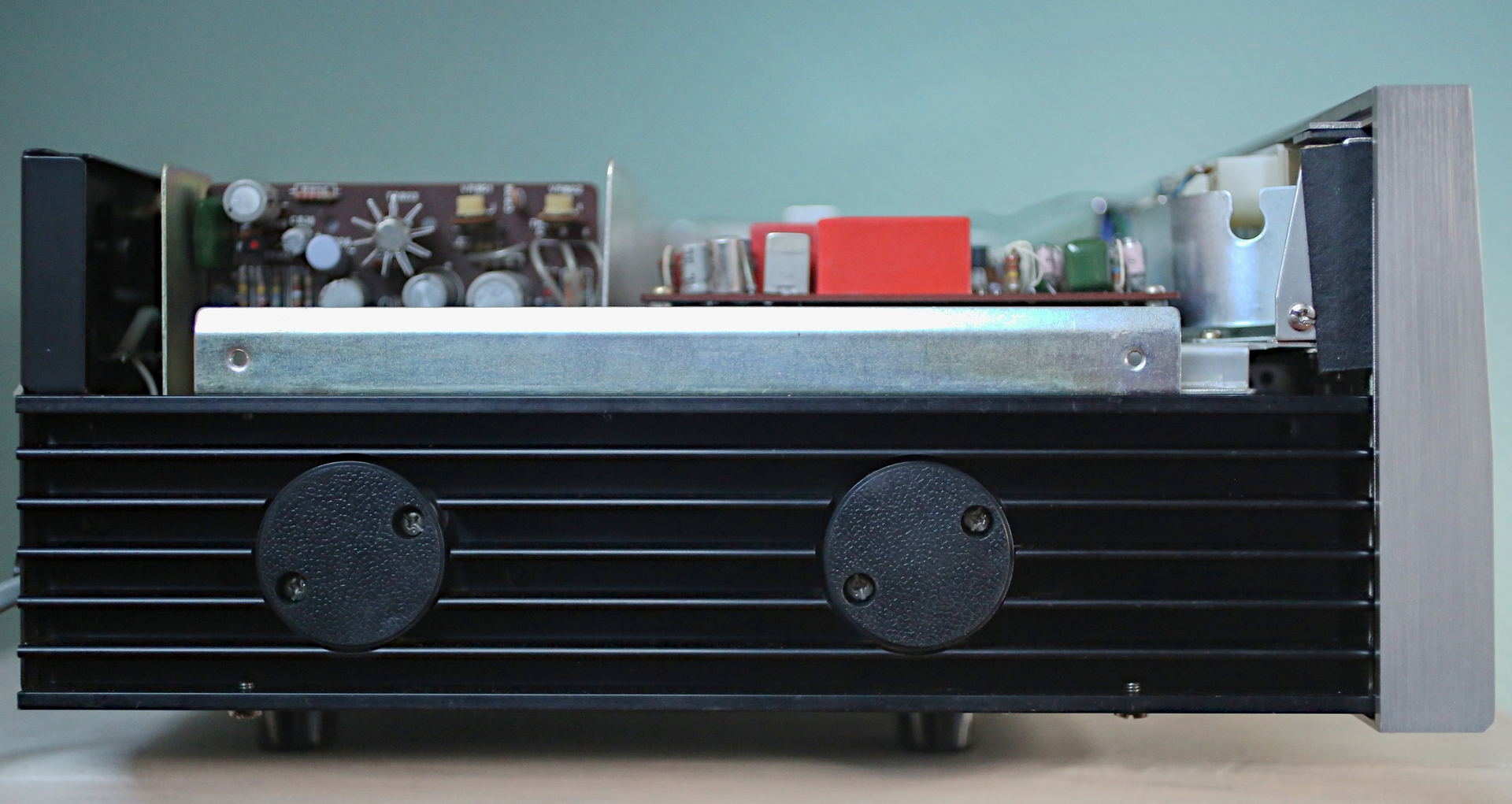
Number two, with a different scale.
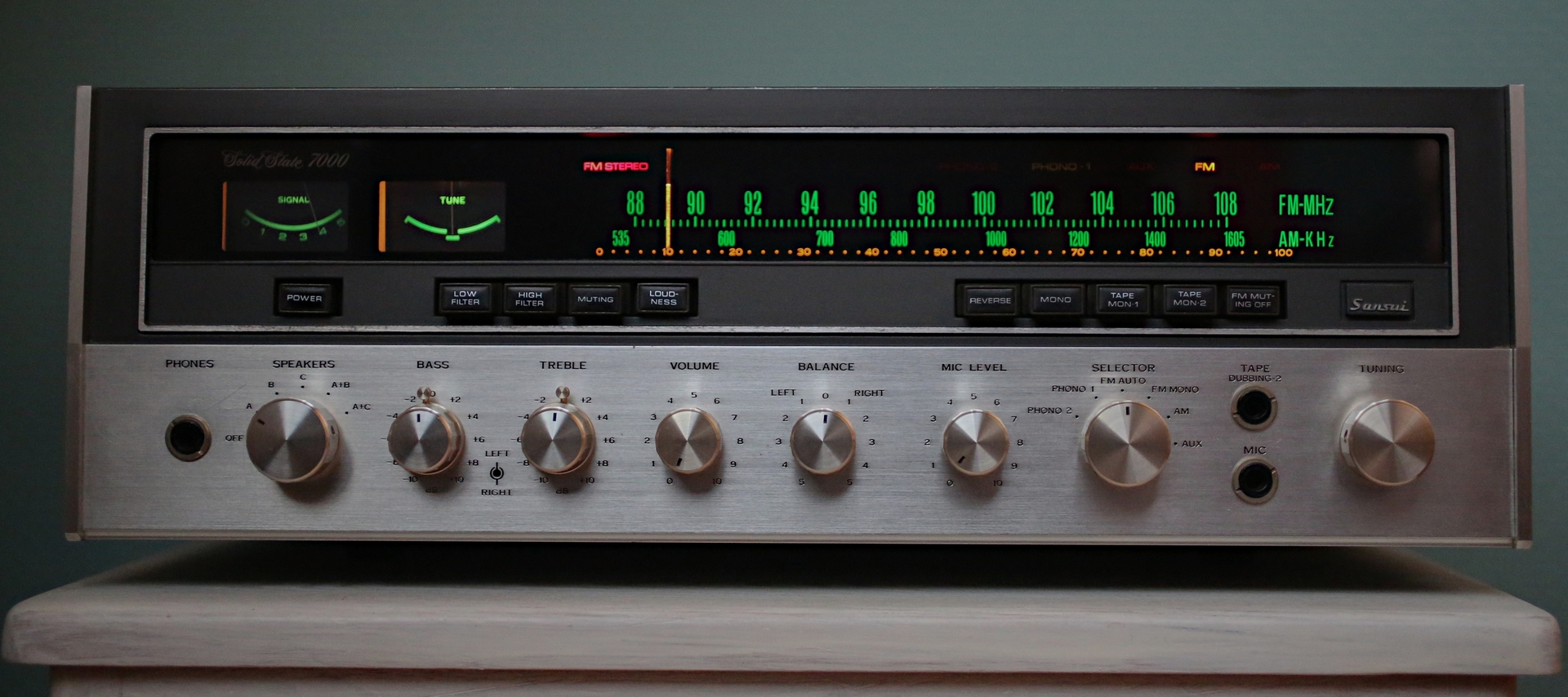
Came parallel to the Eight. Still High End - at that time - but not as expensive to produce as the Eight. Has a liitle bit more power.
Number two, with a different scale.
Last edited:

Wow, that shortened FM hand has to be a fairly rare variant. To my knowledge, there were still a very small handful of European countries using an FM band that ended at 104, rather than 108MHz, in the early 70's. I believe the Netherlands was one such market in which a shortened FM band was mandated. Maybe Belgium, but I'm not certain.
Here in the US I've only ever seen maybe half a dozen assorted Sansui models of that era equipped that way (all obviously imported here from elsewhere). Also worth noting the lack of "convenience outlets" at the rear, as they were usually blanked over on 220V models in many European market areas by regulatory requirement (for safety reasons).
Here in the US I've only ever seen maybe half a dozen assorted Sansui models of that era equipped that way (all obviously imported here from elsewhere). Also worth noting the lack of "convenience outlets" at the rear, as they were usually blanked over on 220V models in many European market areas by regulatory requirement (for safety reasons).
aileenamegan
Super Member
I have had quite a lot of 104MHz-versions in my collection. As you said, the first versions coming to Europe had them. Has been for all European countries for a few years. A few countries, also Germany, did reserve frequencies over 104MHz for certain institutions (military, police etc.). Don't know exactly the year, when those restrictions were lifted in the Seventies. I guess, a lot of those units you described, came over to the US with military personal. In fact, at least in Germany, it has been forbidden to use the outlets of those units. Those, that hadn't not been sold over the PX-shops, didn't have such outlets. As you can see, the 7000 above has a remove outlet place, covered with a metal plate.

While the 7000 had a similar face plate and chassis as the Eight, it is not a model in the "Single Digit Series" (Eight, Seven, Six, and Eight Deluxe). The 7000 is a cap-coupled receiver in the X000 series, whereas the single digits are direct-coupled. The 7000 is the highest powered cap-coupled receiver Sansui produced.Another model of the Single Digit Series - although the model name suggests something different. Sansui 7000.
Came parallel to the Eight. Still High End - at that time - but not as expensive to produce as the Eight. Has a liitle bit more power.
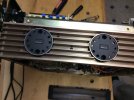
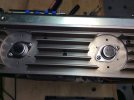
I am wondering if there is anything under those covers on the side and what material the covers are made of? On the Eight and Eight deluxe they cover the OTs and are machined aluminum.
aileenamegan
Super Member
Some say this, others say that. The 7000 has been created - that's what old experts say - to save costs. Because Eight and Eight deluxe have been very cost intensive. Too much costs, to less profit. For me, regarding the models in detail, this is conclusive.While the 7000 had a similar face plate and chassis as the Eight, it is not a model in the "Single Digit Series" (Eight, Seven, Six, and Eight Deluxe). The 7000 is a cap-coupled receiver in the X000 series, whereas the single digits are direct-coupled. The 7000 is the highest powered cap-coupled receiver Sansui produced.
I am wondering if there is anything under those covers on the side and what material the covers are made of? On the Eight and Eight deluxe they cover the OTs and are machined aluminum.
This is what I know, as just a simple collector of receivers: In 1970, Sansui launched two new receivers, among others: the Model 7000 and the Eight. While they look very similar, they are quite distinct. None of the circuit boards used (all designated F-XXXX by Sansui) are identical, and it quickly becomes apparent that the Eight is the older design, as all the board numbers are lower than those of the 7000. They also differ in their technical specifications: the Eight weighs 2 kg more than the 7000, which was rated at 2 x 100 watts RMS into 4 ohms, while the Eight was rated at "only" 2 x 80 watts. The input sensitivities of the FM sections also differ significantly: 1.8 µV for the 7000, but even 1.25 µV for the Eight. The price difference between those two receivers was only 200 DM in Germany (exchange rate: German Mark DM3,70 has been 1$) with the Eight being the more expensive model. It cost a hefty 2,840 DM (around $768). Furthermore, the 7000 offers a microphone input that can be mixed into all programs via the front panel. The Eight doesn't have this feature, but it does have a volume control for speaker group C and level controls for radio playback on the rear panel to match other sources. What prompted Sansui to offer two such similar devices on the market simultaneously will likely remain a mystery. It's certainly interesting, though.
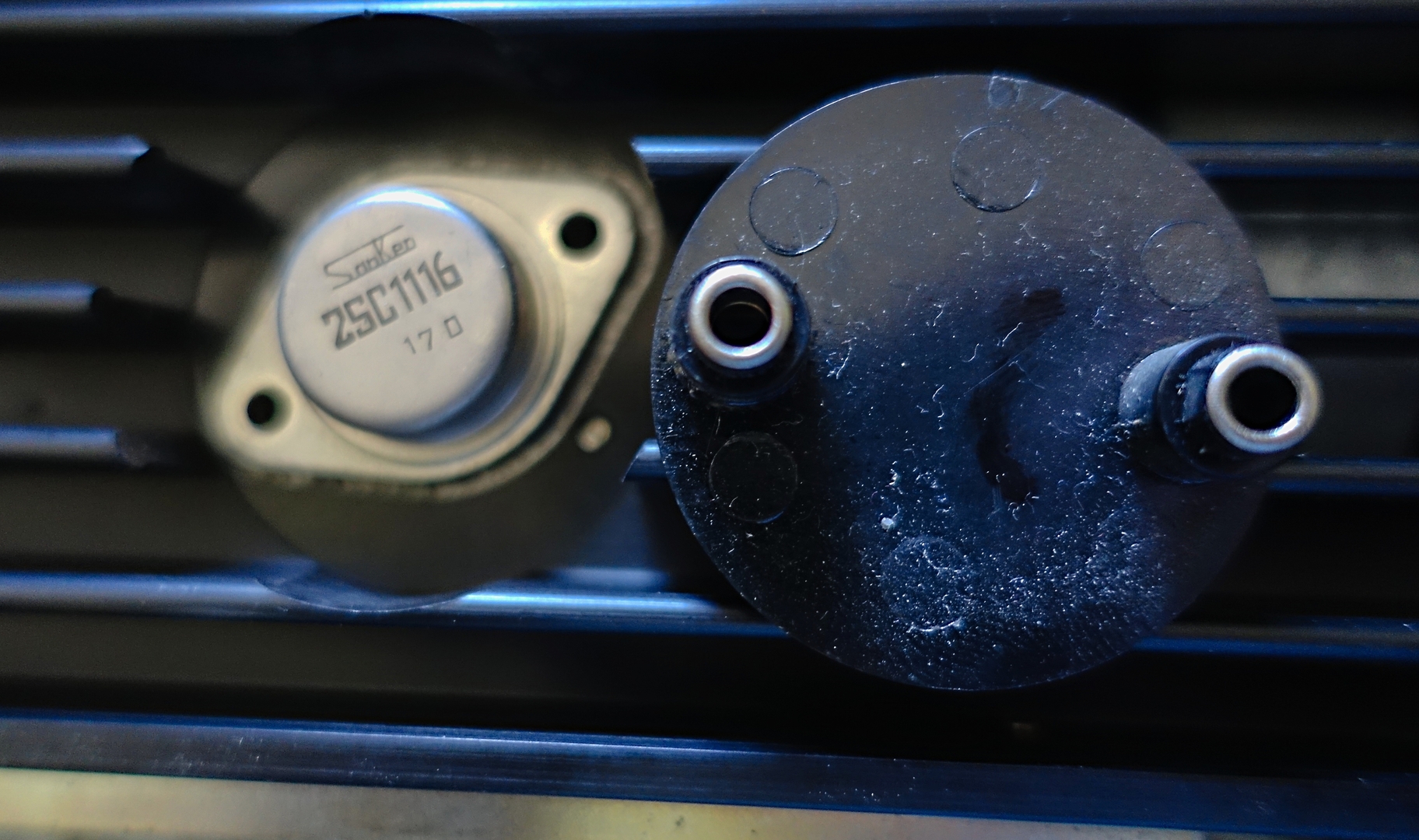
The side covers of the 7000 are made of aniodized, extruded black aluminum. The Eight has the same, only another color. The covers of the TO3's are made of plastic. Bottom, seide panels, front, cabinet are interchangeable. Beside the fact, that there had been three different versions of the cabinet. The unique, two part, dial-mechanism is the same.
I didn't compare it yet with the Eight Deluxe - as this unit still is waiting to be revitalized.
aileenamegan
Super Member
Some more informations: in fact, the earliest known Eight model, with a production date of 1971, can be found here in the
AK forum, and it was advertised starting with the 1971/72 annual catalog
("Think Big"/"The Demanding Ones").
The Eight was last advertised in 1974, while I can only find the Eight Deluxe listed in a price list and
the 1974/75 annual catalog from February 1974 onwards. The earliest Deluxe
model, also with a production date of 1973, can be found again here in the AK forum,
clearly indicating that the Deluxe was the successor to the Eight – both in
terms of production and in press and advertising. Interestingly, the smaller
Six and Seven models were also only produced concurrently with the Deluxe (1973
to 1974) and not at he same time with the Eight (which was already in production from
1971). And the 7000 appeared together with the Eight...
AK forum, and it was advertised starting with the 1971/72 annual catalog
("Think Big"/"The Demanding Ones").
The Eight was last advertised in 1974, while I can only find the Eight Deluxe listed in a price list and
the 1974/75 annual catalog from February 1974 onwards. The earliest Deluxe
model, also with a production date of 1973, can be found again here in the AK forum,
clearly indicating that the Deluxe was the successor to the Eight – both in
terms of production and in press and advertising. Interestingly, the smaller
Six and Seven models were also only produced concurrently with the Deluxe (1973
to 1974) and not at he same time with the Eight (which was already in production from
1971). And the 7000 appeared together with the Eight...


My humble 7000 is undefeated in my collection. It's among the best and gets the most playing time. The Eight, on the other hand, has yet to be heard in its full glory. Hopefully, we're getting there soon. I'm curious to hear the difference.Another model of the Single Digit Series - although the model name suggests something different. Sansui 7000.
Came parallel to the Eight. Still High End - at that time - but not as expensive to produce as the Eight. Has a liitle bit more power.
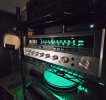
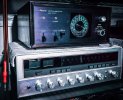
aileenamegan
Super Member
Labelling nearly completely disappeared?
aileenamegan
Super Member
I got also a lot from a german supplier. Printed on strong film, unfortunately not on thin aluminum. But it looks perfect when changing all together. Although being selfadhesive I always use a drop of glue...
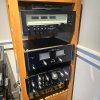
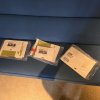
Okay Team, what am I to do with these!? Was fortunate to score an MA-7 Monitor Consolette with Cue Monitor Speakers, original Operating Instructions and Schematic. All mint from the original owner. A friend of mine will be taking the equally mint CA/BA-2000 and TU-919 stack.
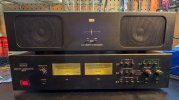
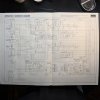
Last edited:
Indeed, I'm unlikely to be doing much if any tape dubbing or DJing these days. It'll be used to provide metered eye candy then.It's of limited usefulness in most setups these days
I use it mostly for the eye candy. I have used it a few times to lay down test tones on an open reel tape to then verify playback speed with a frequency counter. Actually have a cassette deck I'm working on repairing presently that'll need the same treatment soon.Indeed, I'm unlikely to be doing much if any tape dubbing or DJing these days. It'll be used to provide metered eye candy then.