• The move to the new server is done. There are some software and database maintenance updates in process. This has us passing the hat around to help out. We appreciate any donations. Seriously, even a dollar helps. The payment page may be found here - https://www.audiokarma.org/support.html

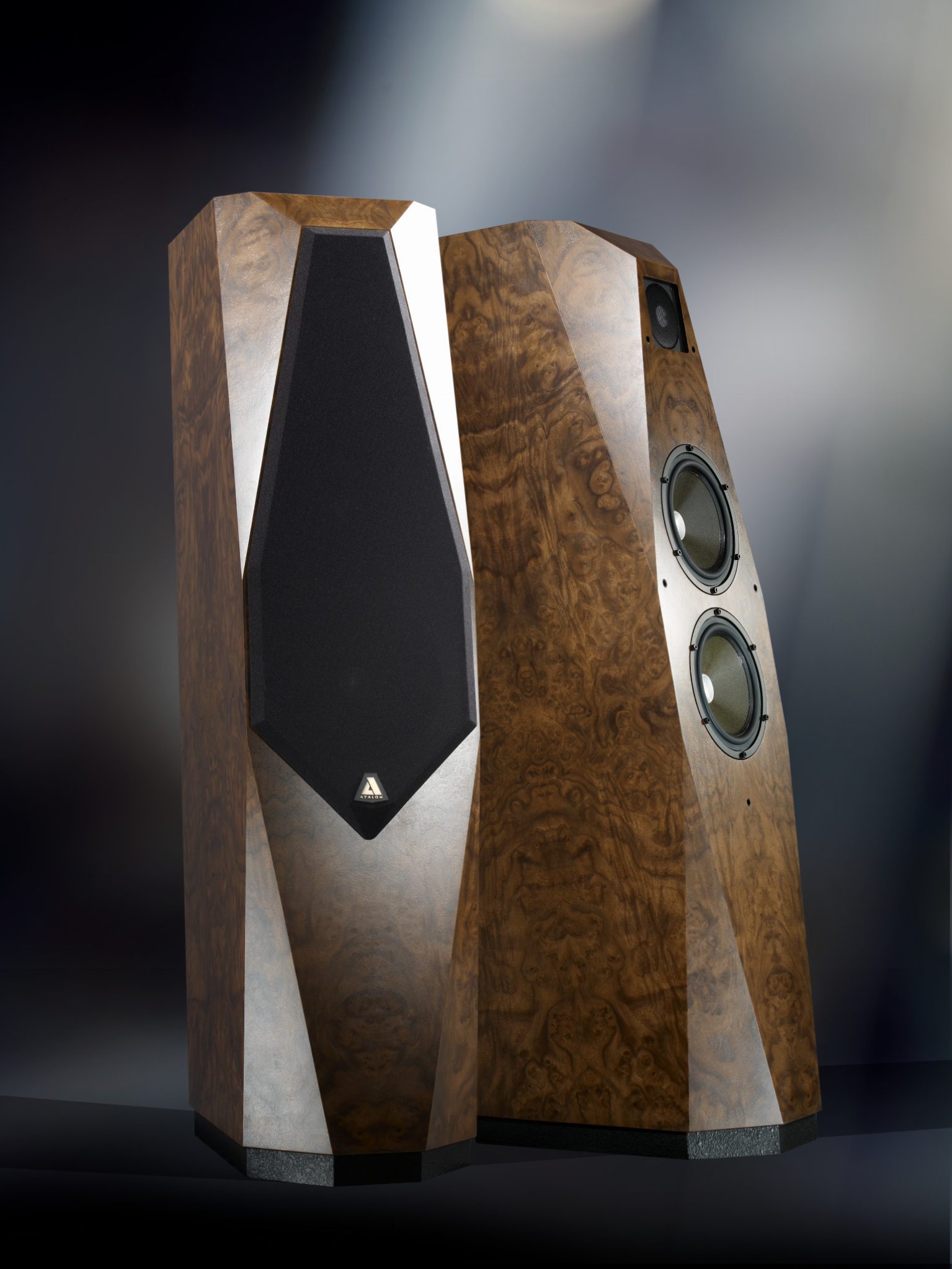
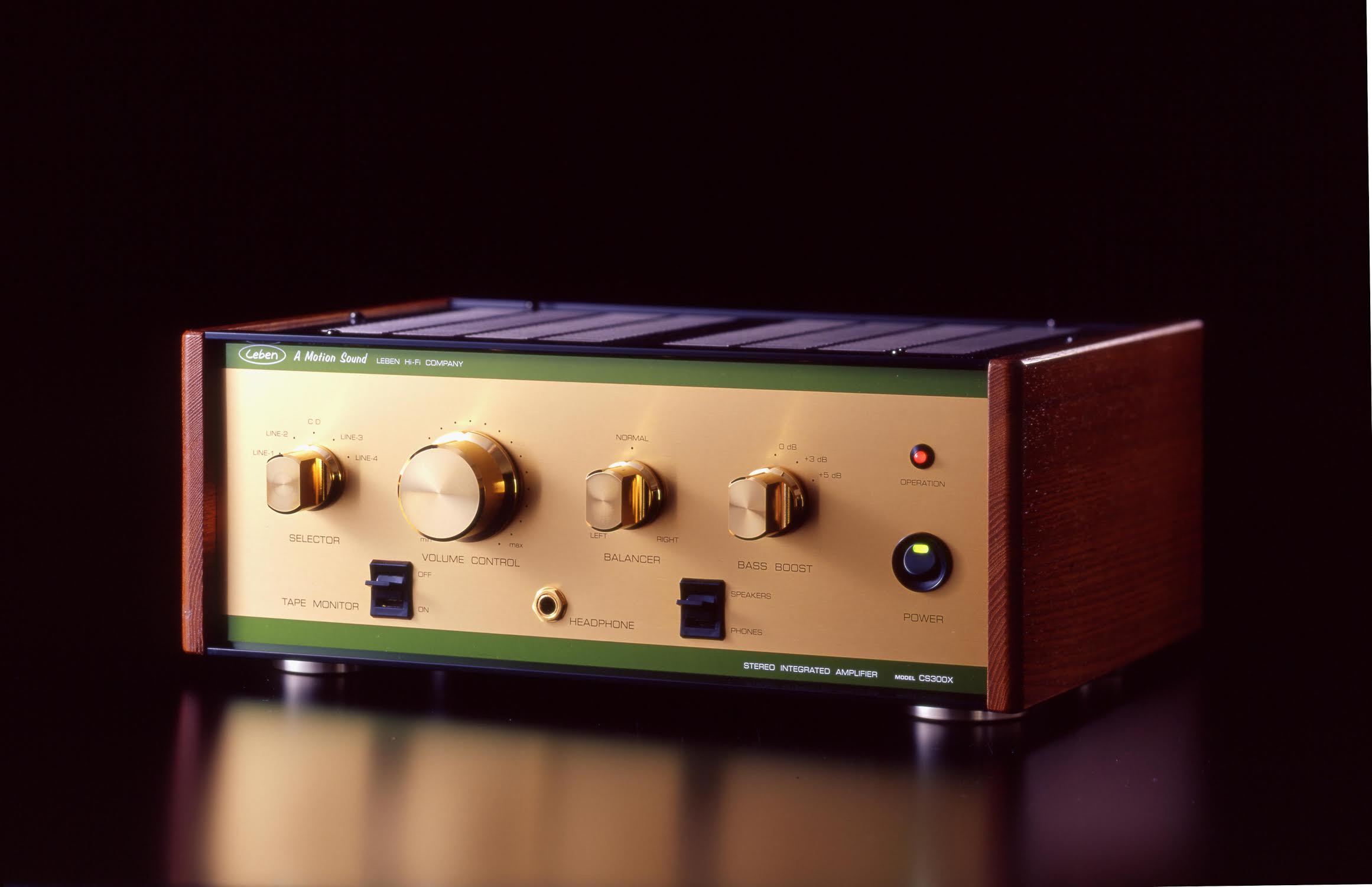
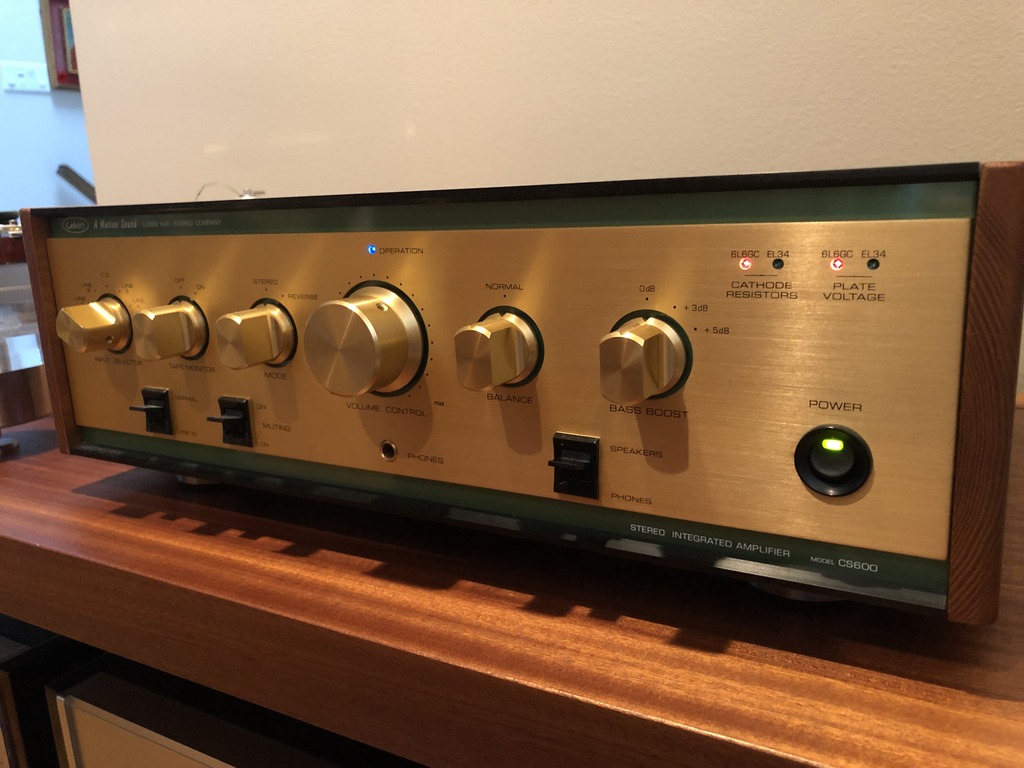
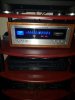
most beautiful electronics of all time

Reverse Polish Notation was a brilliant scheme for running a calculator.

I bought my 3 sons all one each one Christmas when they were in middle school. They scoffed at first since it was different but once they got it, they loved it.

I once met a member of the original HP design team in Palo Alto. I came across I'm sure as a middle aged fan boy!
 
11227652.jpg
Geez , I really like that rack .
 
I would need a class just to use it.
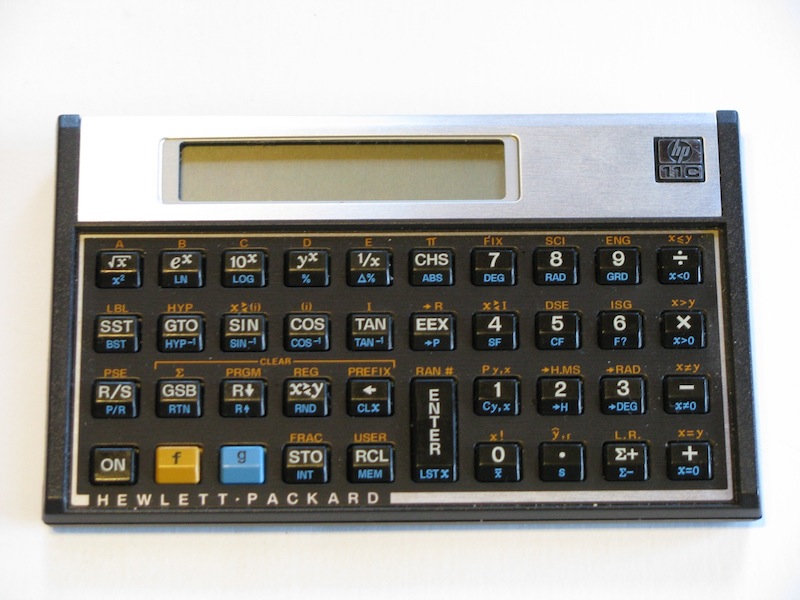
Yeah, The HP 28S is very much less than intuitive when it comes to its functionality, due to the heavy reliance on menus, but the use of RPL is interesting. However, I generally tend to prefer its non-graphical predecessors like the 11C shown here:
hp11c.jpg

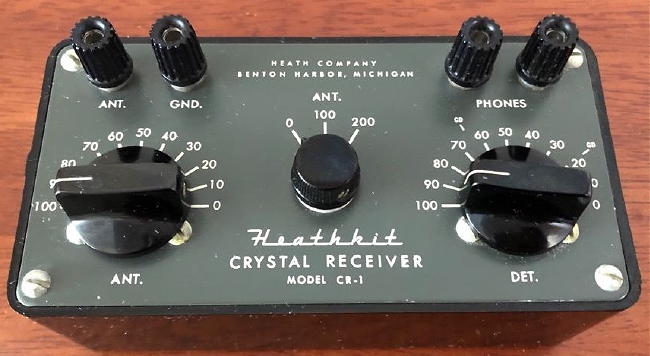
Something to remind us, electronics is magic :)
Indeed it is! :) Crystal radios represent a certain kind of magic to me; powered entirely by radio waves, yet picking up signals from hundreds of miles away if conditions and connections are right. I've built a few crystal radios, but none of them are particularly pretty. I do, however, have an example of a Heathkit CR-1, which looks much less cluttered than most of the homebrews I've seen:
cr-1.jpg

Reverse Polish Notation was a brilliant scheme for running a calculator.

I bought my 3 sons all one each one Christmas when they were in middle school. They scoffed at first since it was different but once they got it, they loved it.

I once met a member of the original HP design team in Palo Alto. I came across I'm sure as a middle aged fan boy!
RPN is quite interesting. I have yet to entirely get the hang of it, but I can see why it was popular with engineering types back in the day. No need for parentheses, and no sign of an '=' key. Sure, you don't save much energy entering [2] [ENTER] [2] [+] instead of [2] [+] [2] [=], but it saves programming memory when it comes to the larger sequences. Here are a few more of my HP calculators:
hpcalcs.jpg
 
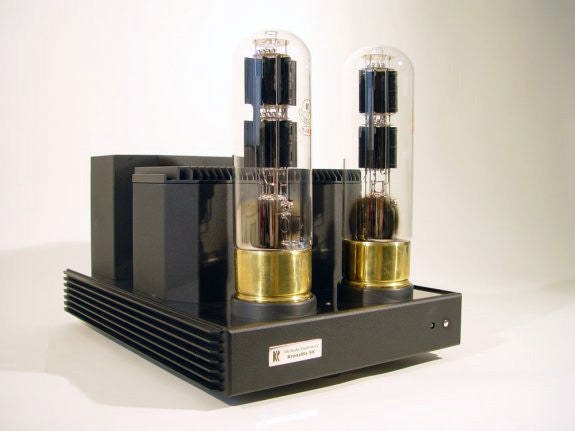
They are definitely tube amplifiers. At roughly 12 Watts for each monoblock they would have to be. Yes, each uses 300B's for power.

Here's some more goodies from Kron. The tubes in the amplifiers are made exclusively by and for Kron.

KRONZILLA20SX2_26b3c7c2-776a-4030-b9ce-9018cdf52ad7_2048x2048.jpg
35 Watts of tube power.

These are their TOTL all tube mono blocks.
kronzillaDM-table1024_2048x2048.jpg

These are 100 Watts each.
 
my personal Kinki M1 in my living room and on top of it, my own DIY DAC. the pride of ownership that i feel is right up there with my Tannoys. leaves me wanting nothing. this amp is so beautiful both in sight and in sound. power is boundless, quiet and elegant. it absolutely surpassed my expectations and i think that it deserves to be here.

OYTO9vF.jpg


4b933e_0d73190a82b14e9999d592a731a6bafd~mv2.webp


KiGLltI.jpg


4b933e_e781b9d7213a4f239b84cb442abd8a8c~mv2.webp


4b933e_788ca0ec06d4493e9a3c6ccb6eb68bb1~mv2.webp
 
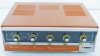
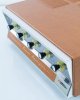
These were mentioned earlier in the thread, but here are some more pictures. The mid-century modern look of the Heathkit AA-21 integrated amplifier is really striking, especially when viewed from an angle. This was a very early solid state amplifier, note the word "transistor" on the front panel.

Heathkit_AA-21.jpg

Heathkit_AA-21_angle.jpg

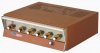
The AA-21, of course, looks very similar to the classic AA-100 tube amplifier that immediately preceded it.

Heathkit_AA_100.jpg
 
Last edited:
These were mentioned earlier in the thread, but here are some more pictures. The mid-century modern look of the Heathkit AA-21 integrated amplifier is really striking, especially when view from an angle. This was a very early solid state amplifier, note the word "transistor" on the front panel.

View attachment 1966294

View attachment 1966296

The AA-21, of course, looks very similar to the classic AA-100 tube amplifier that immediately preceded it.

View attachment 1966301

Sherwood made some very nice receivers that looked like the Heathkit.
 
Back
Top Bottom