

You are using an out of date browser. It may not display this or other websites correctly.
You should upgrade or use an alternative browser.
You should upgrade or use an alternative browser.
Random Thoughts or Whatever
- Thread starter whoaru99
- Start date


nailer
audionerd
 ...
 ...
Last edited:

The Dow bounced around in negative territory most of the day, but came up at the end to lose less than 5 points.The major bourses in The EU got bombed @ today's (20 April 2026) trading session.
(pssst .. it's random)
nailer
audionerd
0.01% decrease.The Dow bounced around in negative territory most of the day, but came up at the end to lose less than 5 points.


nailer
audionerd
blood sweat and tears spinning wheel youtube - Search Videos
Watch videos instantly on Bing—enjoy direct playback, discover related clips, and dive into trending content all in one place.
nailer
audionerd
I've already made it to the long haul.In it for the long haul. Don’t worry much about the day-to-day.
 ...
 ...

Last edited:

For me "some" usually means either less than half or I am not sure. "Most" means more than half and often 75% or more. "Mostly" means "most of the time" or if I am describing how I feel about something, it means that I feel more one way about something than the other way. "Nearly all" I think of 95 to 99%. That's just my take. I can't speak for anyone else."None" is pretty clear.
"All" is pretty clear.
What about some, most, mostly all or maybe nearly all?
What sort of percentages or percentage ranges do those mean to you in general conversation?
nailer
audionerd
Most is over 50%. All is 100%. None is 0%. Some is well under 50%. Pretty sure mostly is not in my vocabulary. When I qualify with just about or nearly, don't have a specific or general percentage range in mind."None" is pretty clear.
"All" is pretty clear.
What about some, most, mostly all or maybe nearly all?
What sort of percentages or percentage ranges do those mean to you in general conversation?
Here's another one - how soon is soon? Sort of depends on the subject matter.
Last edited:

Quadman2
Lunatic Member
"Soon" varies from person to person, depending on the degree of importance of something about to happen.
When it comes to food, "soon" is never soon enough. For others, it may be a positive reward about to happen, or for some who want to avoid giving a specific time for an obligatory happening.
Q
When it comes to food, "soon" is never soon enough. For others, it may be a positive reward about to happen, or for some who want to avoid giving a specific time for an obligatory happening.
Q

whoaru99
Epic Member
I agree in a technical sense. More curious if people generally consider it that way or if people tend to think of most as 60, 70, 80% type deal rather than 50.1% type of deal.Most is over50%.

“Some” of your post makes sense. “Most” of it I’m not sure about, but “mostly” because I haven’t had my coffee. Although “ Nearly all” of it is probably accurate. Whew now I need to rest.For me "some" usually means either less than half or I am not sure. "Most" means more than half and often 75% or more. "Mostly" means "most of the time" or if I am describing how I feel about something, it means that I feel more one way about something than the other way. "Nearly all" I think of 95 to 99%. That's just my take. I can't speak for anyone else.

DesertRatt
All Bark, No Bite!
Random thought: Why do people like flying so much?
Seems like flying traffic is going up all the time. I think it is the most unpleasant experience possible short of a head on collision. I suppose it would be marginally more pleasant in a private jet?
Seems like flying traffic is going up all the time. I think it is the most unpleasant experience possible short of a head on collision. I suppose it would be marginally more pleasant in a private jet?

Clyde Davenport !That is like this old one (which only works when presented verbally)
You are driving a bus
at the first stop 4 people get on.
at the second stop 5 people get on and 3 get off.
at the third stop 2 people get on and 4 get off.
at the fourth stop 1 person gets on and 3 get off
what is the name of the bus driver?

nailer
audionerd
"The beatings will continue until morale improves" is a popular satirical phrase of uncertain origin, often used to highlight the absurdity of punishing employees or subordinates to improve their attitude. While commonly associated with military sarcasm (similar to FUBAR or SNAFU), its exact source is unknown, with popular lore incorrectly attributing it to historical figures like Captain Bligh.
Origin and Evolution Details:
Origin and Evolution Details:
- Earliest Evidence: The phrase likely originated in the U.S. Navy, with the earliest documented version appearing in a 1961 "All Hands" magazine cartoon caption as "all liberty is canceled until morale improves".
- Phrase Variations: The slogan evolved over decades, changing from "no liberty" (1960s) to "no mail" (1975), "firings" (1979), "floggings" (1987), and finally "beatings" by 1989.


spicer
Lunatic Member
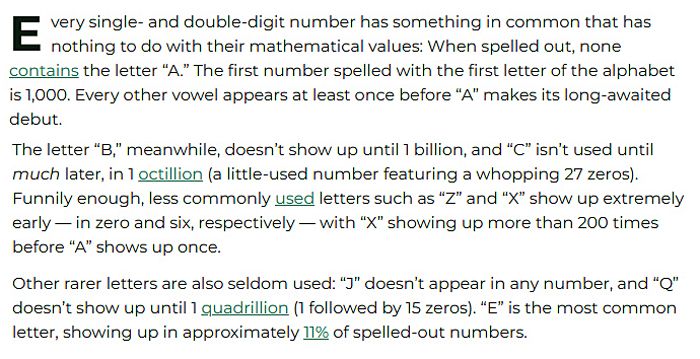
Then there's X.
Similar threads

- Replies
- 20
- Views
- 2K


- Replies
- 35
- Views
- 3K


